

Fast Delivery
Quick, reliable shipping to any location.

Free & easy returns
Return this item by mail or in store within 90 days for a full refund.
NAD+ – Product Description
The Essential Coenzyme for Cellular Energy, DNA Repair, and Healthy Aging Research
Nicotinamide adenine dinucleotide (NAD+) is a coenzyme present in nearly every living cell, playing a central role in fundamental biological processes including energy metabolism, DNA repair, and cellular signaling . Often described as a “helper molecule,” NAD+ binds to other enzymes to activate them and generate the molecular reactions essential for life . It functions as an electron carrier in redox reactions critical to ATP production and serves as a substrate for enzymes like sirtuins and PARPs, which regulate DNA repair, inflammation, and metabolic stress responses .
One of the most compelling aspects of NAD+ research is its relationship with aging. NAD+ levels naturally decline approximately 50% between ages 20 and 60, contributing to mitochondrial dysfunction—a hallmark of cellular aging . This decline has emerged as a common pathological factor in various aging-associated diseases, motivating significant research interest in NAD+ restoration strategies .
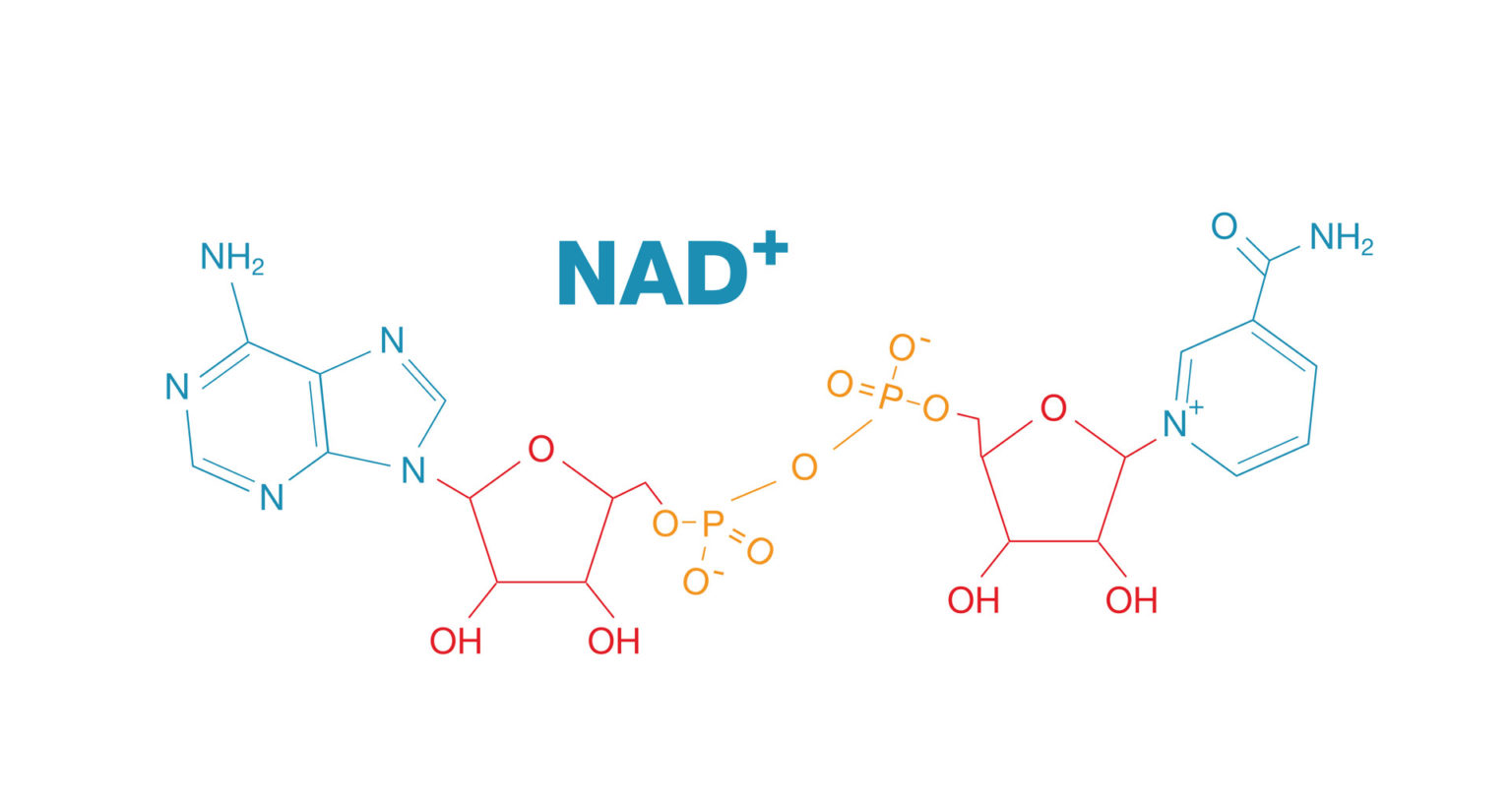
Table of Contents
-
What is NAD+?
-
Mechanism of Action
-
Key Research Findings
-
Research Applications
-
Dosing and Administration
-
Safety Profile
-
Frequently Asked Questions (FAQs)
-
References
What is NAD+?
NAD+ (nicotinamide adenine dinucleotide) is a dinucleotide composed of two nucleotides—one containing adenine and the other containing nicotinamide—linked together by pyrophosphate . It exists alongside its reduced form, NADH, and the balance between the two is central to how cells produce and use energy . NADH carries electrons and plays a role in the chemical reactions that power mitochondria .
| Property | Detail |
|---|---|
| Synonyms | Coenzyme I, Diphosphopyridine nucleotide (DPN) |
| CAS Number | 53-84-9 |
| Molecular Formula | C₂₁H₂₇N₇O₁₄P₂ |
| Molecular Weight | 663.43 Da |
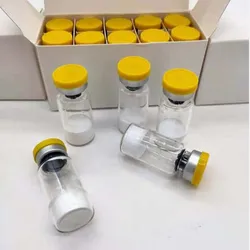
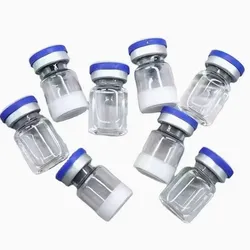
| Form | Lyophilized powder |
| Purity (Research Grade) | ≥99% |
| Storage | Below 5°C in a cool, dry place |
Mechanism of Action
NAD+ functions through multiple essential pathways:
| Mechanism | What It Does | Why It Matters |
|---|---|---|
| Cellular Energy Production | Accepts and shuttles reducing power from metabolic redox reactions to mitochondria, where NADH is used to generate ATP through oxidative phosphorylation | Catalyzes production of over 95% of life activity energy |
| Sirtuin Activation | Serves as a substrate for sirtuins (SIRT1–SIRT7), proteins linked to cellular repair and longevity | Regulates DNA repair, inflammation, and metabolic stress responses |
| DNA Repair | Substrate for PARPs (poly-ADP-ribose polymerases) that mediate DNA repair processes | Supports cellular resilience against genomic damage |
| Epigenetic Regulation | Regulates gene expression through NAD+-dependent enzymes | Influences metabolic and survival-associated mechanisms |
Two NAD+ biosynthetic pathways exist: the de novo pathway (from tryptophan) and the salvage pathway (recycling nicotinamide). Age-related decline in both pathways contributes to mitochondrial dysfunction .

Key Research Findings
Neurodegenerative Disease Biomarkers
A randomized, placebo-controlled crossover trial in 22 healthy older adults (65 ± 7 years, NCT02921659) examined the effects of oral nicotinamide riboside (NR) supplementation (500 mg, 2×/day, 6 weeks) . Key findings include:
| Finding | Result |
|---|---|
| Neuronal NAD+ Levels | Oral NR supplementation significantly increased NAD+ levels in plasma extracellular vesicles enriched for neuronal origin (NEVs); 9/10 subjects with quantifiable levels showed increased NAD+ |
| Amyloid-Beta Reduction | Aβ42 levels decreased significantly in NAD+ responders |
| Insulin Signaling Pathways | Decreases in pJNK and pERK1/2—kinases involved in insulin resistance and neuroinflammatory pathways—were observed in NAD+ responders |
| Correlative Evidence | Changes in NAD+ correlated with changes in canonical insulin-Akt signaling proteins and pERK1/2 and pJNK |
These findings support the ability of orally administered NAD+ precursors to augment neuronal NAD+ levels and modify biomarkers related to neurodegenerative pathology in humans .
Age-Related Decline
Research has established that NAD+ concentration declines in several tissues during aging. The brain is particularly vulnerable due to the high energetic demand of neurons, with brain-specific decline in NAD+ reported in several species, including humans . Preclinical evidence suggests NAD+ restoration may restore sirtuin activity and improve metabolic resilience .
Research Applications
| Application | Research Focus |
|---|---|
| Healthy Aging | Age-related decline, cellular repair, sirtuin pathway activation |
| Neuroprotection | Cognitive function, neurodegenerative pathology, brain energy metabolism |
| Metabolic Health | Energy metabolism, mitochondrial function, metabolic resilience |
| Physical Performance | Athletic performance, endurance, cellular recovery |
| Cellular Protection | DNA repair, oxidative stress response, inflammation reduction |
Dosing and Administration
Research-Grade NAD+ Peptide
| Aspect | Detail |
|---|---|
| Form | Lyophilized powder for reconstitution |
| Route | Subcutaneous injection under research protocols |
| Storage | Store below 5°C in a cool, dry place |
NAD+ Precursor Dosing (Human Studies)
It is important to note that direct NAD+ is not typically administered orally as a supplement; rather, NAD+ precursors are used to support the body’s own NAD+ production .
| Precursor | Dose | Route |
|---|---|---|
| Nicotinamide Riboside (NR) | 250–500 mg daily; 500 mg 2×/day (clinical trials) | Oral |
| Nicotinamide Mononucleotide (NMN) | 250–900 mg daily | Oral |
| NAD+ Injections | 50–200 mg per injection | Subcutaneous |
| NAD+ IV Therapy | 500–1500 mg per session | Intravenous |
Storage Guidelines — Lyophilized powder should be stored in a cool, dry place below 5°C, protected from light. Retest date typically 2 years from manufacture .
Safety Profile
NAD+ research is still evolving, and while preclinical and early human data suggest generally favorable tolerability, human safety data remain limited compared to the extensive preclinical evidence base .
Common Reported Side Effects
-
Nausea or digestive upset (particularly when initiating treatment)
-
Headaches
-
Fatigue or flushing
-
Injection site reactions (redness, swelling, discomfort)
-
Sleep disturbances
These effects typically resolve on their own as the system adjusts, but persistent symptoms warrant consultation with a healthcare provider .
Important Safety Considerations
-
Limited Long-Term Data: Long-term safety profiles are unstudied in humans
-
Not FDA-Approved: NAD+ peptides and direct NAD+ injections are not FDA-approved medications; compounded formulations require qualified provider oversight
-
Provider Assessment: Baseline health status, medications, and contraindications should be reviewed before initiation
-
Contraindications: Pregnant or nursing individuals, those managing chronic conditions, or those taking other medications should discuss options with a licensed healthcare provider
Comparative Framework
| Compound Category | Mechanism | Bioavailability Consideration | Clinical Study Status |
|---|---|---|---|
| NAD+ Peptides | Support NAD+ synthesis via receptor/enzymatic signaling | Peptide stability and absorption variable | Early human trials; limited long-term data |
| NMN | Direct salvage-pathway substrate | Oral bioavailability approximately 12–30% in mice | Phase 2 human trials ongoing |
| NR | Direct salvage-pathway substrate | Higher oral absorption than NMN | More human trial data available |
| Direct NAD+ Infusion | Bypasses GI absorption | Highest bioavailability; rapid systemic distribution | Limited clinical use; short half-life (~1 hour) |
Frequently Asked Questions (FAQs)
1. What is NAD+ and what does it do?
NAD+ (nicotinamide adenine dinucleotide) is a coenzyme present in all living cells that plays a critical role in cellular energy production, DNA repair, and activating sirtuins and other longevity-related proteins . It catalyzes production of over 95% of life activity energy .
2. Why do NAD+ levels decline with age?
NAD+ levels naturally decline approximately 50% between ages 20 and 60 due to age-related decline in both de novo and salvage biosynthetic pathways, contributing to mitochondrial dysfunction and age-related diseases .
3. What is the difference between NAD+ and NADH?
NAD+ and NADH are two forms of the same coenzyme. NAD+ is the oxidized form that accepts electrons from other molecules, while NADH is the reduced form that donates electrons. The balance between the two is central to cellular energy production .
4. Can I take NAD+ directly as a supplement?
You cannot effectively take NAD+ directly as an oral supplement. Instead, NAD+ precursors like nicotinamide riboside (NR) and nicotinamide mononucleotide (NMN) are used to support your body’s natural NAD+ production .
5. What dose of NAD+ precursors is typically used in research?
In human clinical trials, NR has been studied at doses of 250–500 mg daily, with 500 mg 2×/day (1,000 mg/day) used in a 6-week trial that showed neuronal NAD+ increases .
6. Is NAD+ therapy FDA-approved?
No. NAD+ peptides, injections, and IV therapy are not FDA-approved for human therapeutic use . They are considered research compounds or compounded medications requiring licensed provider oversight .
7. What are the potential benefits of NAD+ research?
Research areas of interest include healthy aging and cellular repair, cognitive function and neuroprotection, energy metabolism and mitochondrial function, and physical performance and recovery .
8. What are the side effects of NAD+ therapy?
Common side effects include nausea, headaches, fatigue, flushing, and injection site reactions. These are typically mild and transient .
9. Does NAD+ therapy reverse aging?
Preclinical studies in animals suggest NAD+ restoration may slow aging markers, but human longevity or lifespan data do not exist. Claims of “anti-aging reversal” are not supported by completed human clinical trials .
10. Can I take NAD+ supplements at night?
Unlike caffeine, NAD+ does not act as a stimulant and will not keep you awake. NAD supplements can be taken any time of day as long as taken consistently .
References
-
Vreones M, Mustapic M, Moaddel R, et al. Oral nicotinamide riboside raises NAD+ and lowers biomarkers of neurodegenerative pathology in plasma extracellular vesicles enriched for neuronal origin. Aging Cell. 2023;22(1):e13754.
-
PlexusDx. What Is NAD+ Peptide: Biomarkers, Clinical Evidence, and Provider Assessment. 2026
-
EffePharm. NAD+ Dosage Recommendations: Find Your Ideal Amount for Wellness Support. 2025
-
Made-in-China. NAD+ Peptide 99% High Quality CAS 53-84-9. Shanghai Huirui Chemical Technology Co., Ltd.
-
TryEden. NAD Peptides: What to Know & How to Get Started. 2025
-
Life Extension. How to Take NAD Supplements. 2025
-
Made-in-China. NAD+ 99% Anti-Aging Peptides. Wuhan Ahlais Trading Co., Ltd.
-
NeoCell. neoNad+™ Resveratrol, Multi Collagen Bio-Peptides™. iHerb. 2026
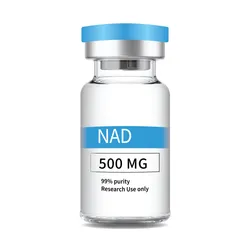
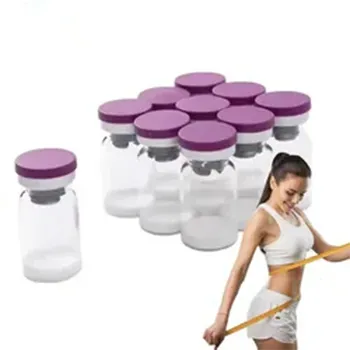
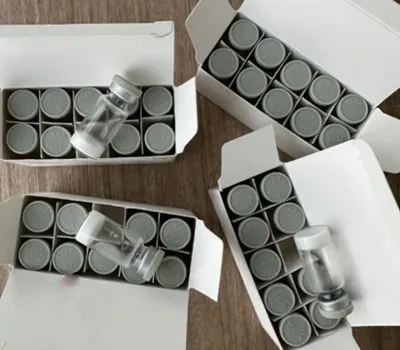
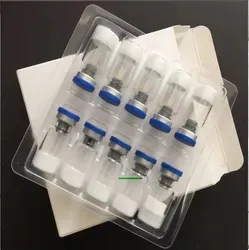
| NAD+ |
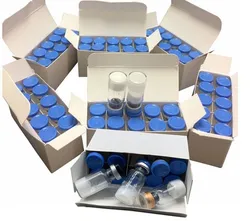
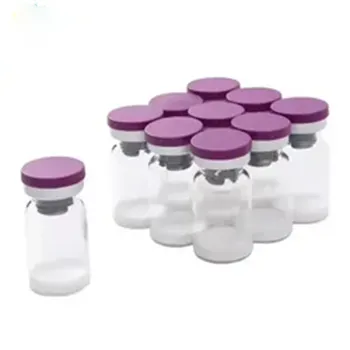
100mg*10vials ,500mg*10vials ,1000mg*10vials |
|---|



Reviews
There are no reviews yet.