


Fast Delivery
Quick, reliable shipping to any location.

Free & easy returns
Return this item by mail or in store within 90 days for a full refund.
KLOW Peptide: Research Profile of the Four-Component Regenerative Blend
KLOW is a proprietary multi-peptide blend formulation that has gained attention in research and clinical discussion contexts. This profile provides an overview of the blend’s composition, the individual component mechanisms, and current understanding of its research applications.
What is KLOW?
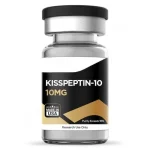
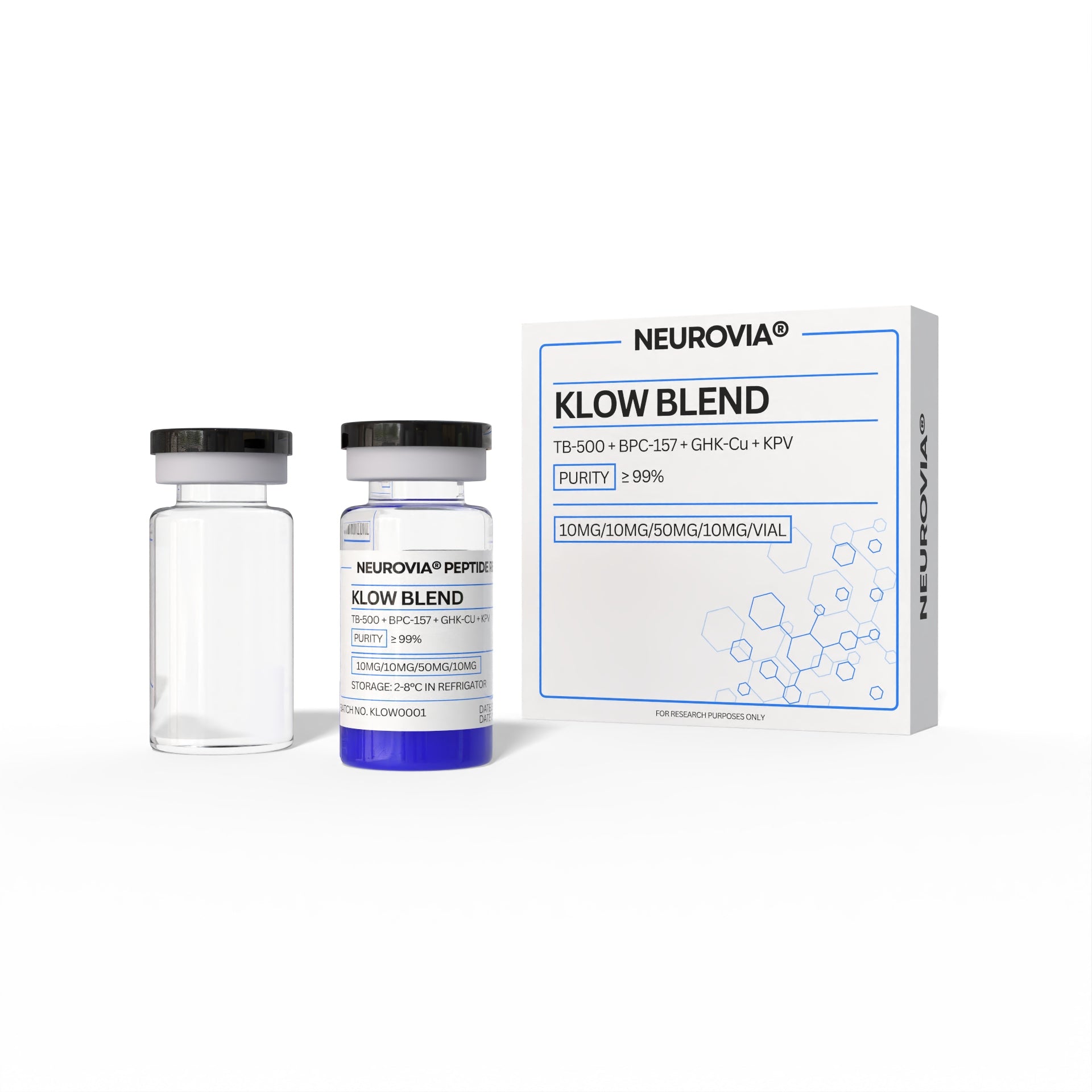
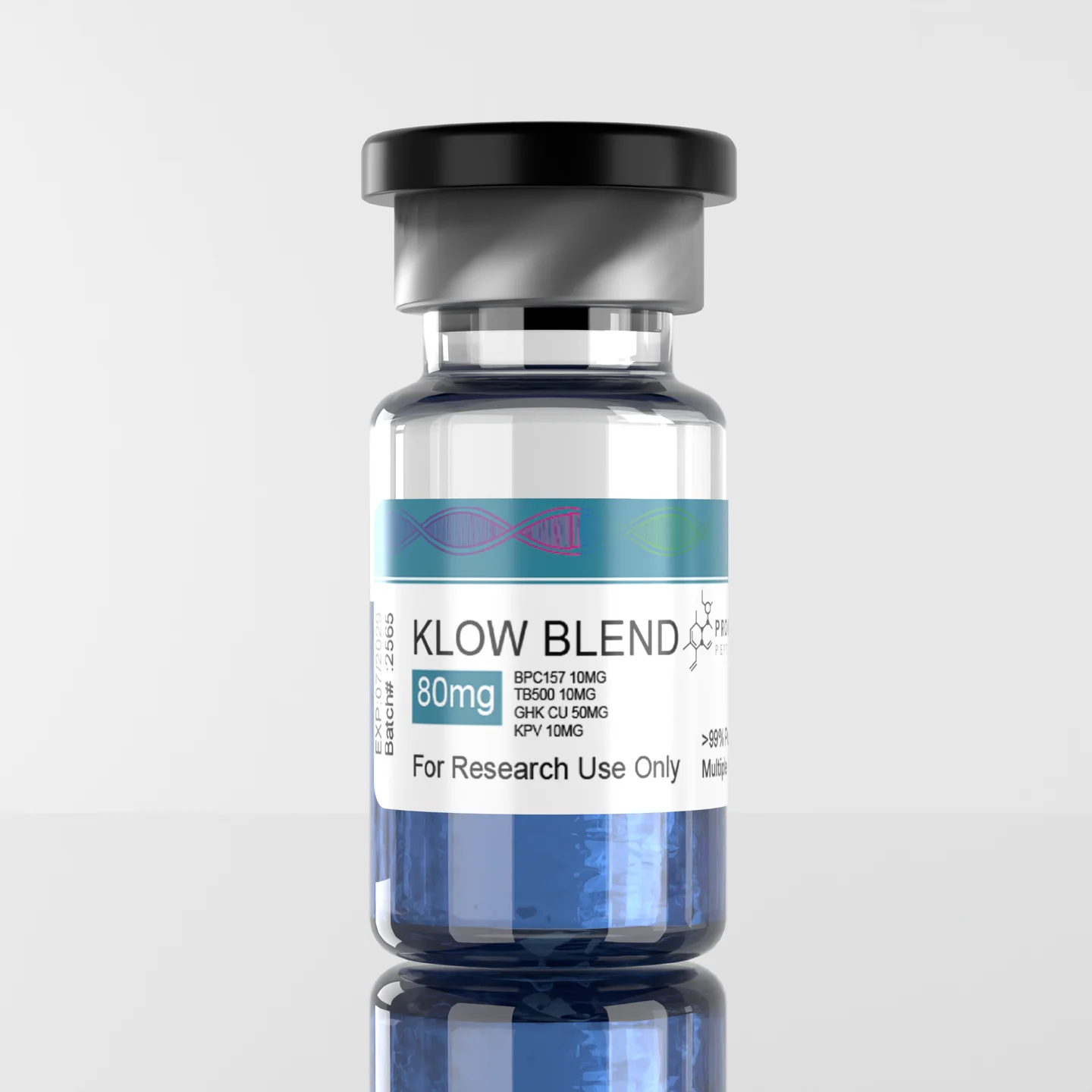
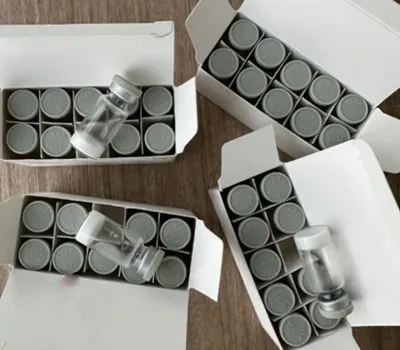
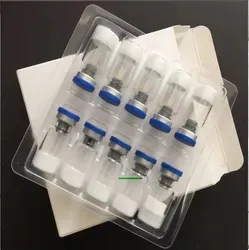
KLOW is a combination peptide blend most often associated with formulations containing four peptide components: GHK-Cu, BPC-157, TB-500, and KPV . The exact composition can vary by formulator, but the standard configuration is typically GHK-Cu 50mg, BPC-157 10mg, TB-500 10mg, and KPV 10mg per vial .
Key Identifiers:
-
Type: Proprietary multi-peptide research blend
-
Components: GHK-Cu, BPC-157, TB-500, KPV
-
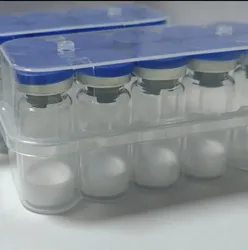
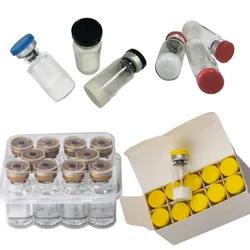
Form: Lyophilized powder
-
Purity: Typically >99% (HPLC verified) for research-grade material
-
Status: Research compound; no formal clinical approval for the blend
The naming convention is informal and shaped more by marketing and online discussion than by formal research nomenclature . GLOW is often described as the related three-peptide blend (GHK-Cu, BPC-157, TB-500), with KLOW distinguished by the addition of KPV as a fourth component .
Individual Component Mechanisms
KLOW’s profile reflects the combined research characteristics of its four components:
GHK-Cu (Copper-Binding Tripeptide)
GHK-Cu is a naturally occurring copper-binding tripeptide (glycyl-L-histidyl-L-lysine copper complex) present in human plasma . It has been researched for decades in dermatology, with studies showing it can activate more than 300 repair-related genes .
Key Mechanisms:
-
Promotes collagen and elastin synthesis, supporting skin remodeling
-
Aids wound healing and tissue repair
-
Contributes to fibroblast growth and epidermal stem cell longevity
BPC-157 (Body Protection Compound 157)
BPC-157 is a synthetic pentadecapeptide derived from a protein in human gastric juice . It is researched primarily for its regenerative properties.
Key Mechanisms:
-
Promotes angiogenesis (formation of new capillary networks)
-
Modulates nitric oxide signaling
-
Dampens local inflammation
-
Supports tendon and ligament repair
TB-500
TB-500 is a synthetic analog of Thymosin Beta 4, a naturally occurring peptide found in nearly every cell, with its highest concentrations in blood platelets and wound healing fluid .
Key Mechanisms:
-
Regulates actin, a cellular protein that forms the cytoskeletal “rails” along which repair cells migrate
-
Accelerates repair cell migration to injury sites
-
Supports soft tissue recovery
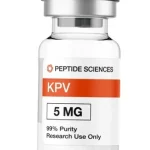
KPV (Anti-Inflammatory Tripeptide)
KPV (Lysine-Proline-Valine) is a tripeptide derived from alpha-melanocyte-stimulating hormone (α-MSH) that functions as a designated anti-inflammatory agent .
Key Mechanisms:
-
Inhibits NF-κB (a master regulator of multiple inflammatory gene programs)
-
Acts as a dedicated anti-inflammatory driver
-
Complements the regenerative actions of the other components
How KLOW Differs from GLOW
Across current discussions, GLOW Peptide Stack is commonly described as a three-peptide blend containing GHK-Cu, BPC-157, and TB-500 . KLOW is distinguished as the related four-peptide version that adds KPV to this three-peptide structure .
| Feature | GLOW | KLOW |
|---|---|---|
| Components | GHK-Cu, BPC-157, TB-500 | GHK-Cu, BPC-157, TB-500, KPV |
| Primary Focus | Skin remodeling, facial recovery | Broader inflammatory coverage |
| KPV Inclusion | No | Yes (anti-inflammatory) |
In clinical discussion contexts, GLOW is often positioned for face procedures where the inflammatory field is small and priority is incision quality and skin remodeling. KLOW is considered for body procedures with significant inflammatory load (e.g., tummy tucks, breast surgery) where KPV’s dedicated anti-inflammatory action is beneficial .
Research Status and Limitations
Regulatory Status
-
FDA Status: Not FDA-approved. The blend itself has not undergone clinical evaluation
-
Research-Use Only: Available for in vitro and laboratory research applications from authorized suppliers
-
Regulatory Context for Components: BPC-157 is explicitly noted as prohibited under WADA’s S0 category (Unapproved Substances)
Documentation and Quality
For research applications, quality documentation is particularly important for multi-peptide blends. Laboratories should seek products that provide:
-
HPLC purity characterization (area percent for each component)
-
Mass-spectrometry identity confirmation (ESI-MS or MALDI-TOF)
-
Lot-linked Certificate of Analysis with endotoxin screening
A four-peptide blend creates more analytical variables than a single-peptide vial, making precise component-level verification essential for research confidence .
Frequently Asked Questions
What is KLOW Peptide?
KLOW is a proprietary multi-peptide blend formulation containing GHK-Cu, BPC-157, TB-500, and KPV . The standard composition is typically 50mg GHK-Cu, 10mg BPC-157, 10mg TB-500, and 10mg KPV per vial .
How does KLOW differ from GLOW?
KLOW is the related four-peptide version that adds KPV to GLOW’s three-peptide structure (GHK-Cu, BPC-157, TB-500) . The addition of KPV provides dedicated anti-inflammatory coverage .
What does research show about KLOW?
No clinical trial has evaluated the KLOW blend itself . Each individual component has independent research histories: GHK-Cu in wound healing and skin remodeling, BPC-157 in angiogenesis and tissue repair, TB-500 in actin regulation and cell migration, and KPV in NF-κB inhibition and anti-inflammatory mechanisms .
Is KLOW FDA-approved?
No. KLOW is not FDA-approved for any indication. It is available as a research compound for in vitro and laboratory applications .
What are the individual mechanisms of the components?
-
GHK-Cu: Promotes collagen, elastin, and activates repair genes
-
BPC-157: Supports angiogenesis, nitric oxide modulation, and tissue repair
-
TB-500: Regulates actin for accelerated repair cell migration
-
KPV: Inhibits NF-κB for dedicated anti-inflammatory action
Is the composition of KLOW standardized?
No. The exact composition varies by formulator, making practitioner oversight essential in clinical contexts . Standard research configurations typically contain GHK-Cu 50mg, BPC-157 10mg, TB-500 10mg, and KPV 10mg .



Reviews
There are no reviews yet.