

Fast Delivery
Quick, reliable shipping to any location.

Free & easy returns
Return this item by mail or in store within 90 days for a full refund.
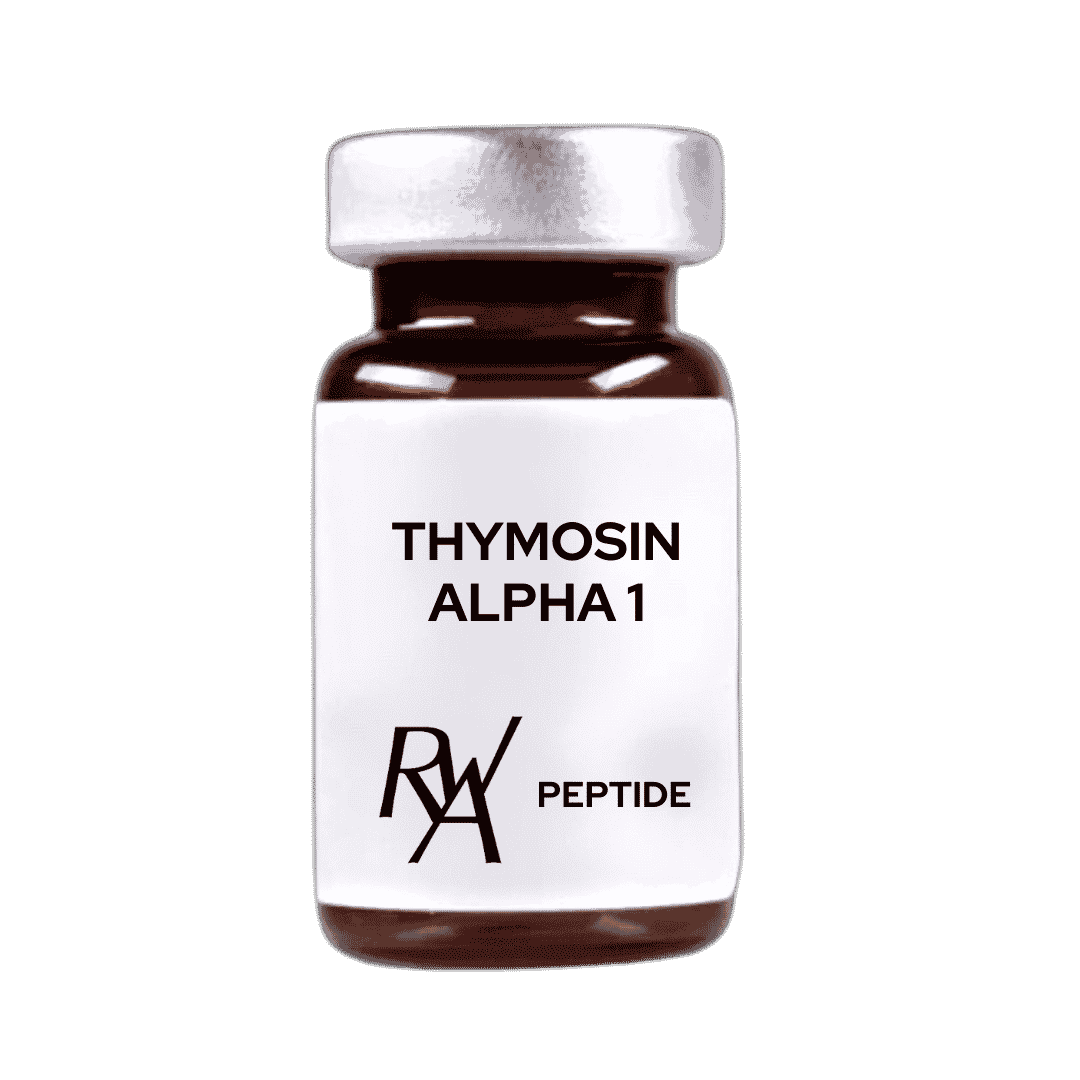
Thymosin Alpha-1: The Complete Guide to This Potent Immunomodulatory Peptide
Thymosin Alpha-1 has emerged as one of the most significant naturally occurring peptides in the field of immunology, with a reputation for restoring immune function and combating a wide range of diseases. As a 28-amino acid peptide originally isolated from the thymus gland, Thymosin Alpha-1 has been the subject of extensive research for over four decades . Thymosin Alpha-1 is approved in over 35 countries for the treatment of hepatitis B and C, and as an immune stimulant and adjuvant . This comprehensive guide explores everything you need to know about Thymosin Alpha-1, from its biochemical properties and mechanisms of action to its diverse clinical applications and safety profile.
Table of Contents
-
What is Thymosin Alpha-1?
-
Biochemical Structure and Properties
-
Mechanism of Action
-
Primary Clinical Applications
-
Thymosin Alpha-1 in Cancer Treatment
-
Thymosin Alpha-1 for Infectious Diseases
-
Thymosin Alpha-1 and Aging
-
Recent Research and Emerging Applications
-
Frequently Asked Questions (FAQs)
-
Final Verdict
What is Thymosin Alpha-1? {#what-is-thymosin-alpha-1}
Thymosin Alpha-1 (often abbreviated as Tα1 or Ta1) is a biologically active peptide consisting of 28 amino acid residues that was first described and characterized from calf thymus extracts in 1977 . Thymosin Alpha-1 was the first of the thymosins to be isolated and used clinically, and it remains one of the most extensively studied immunomodulatory peptides .
The story of Thymosin Alpha-1 begins with the thymus gland, a vital organ for the homeostatic maintenance of the peripheral immune system . In 1966, researchers first isolated and described a lymphocytopoietic factor from calf thymus, which was termed “thymosin” . Further purification of this factor led to the isolation of a heat-stable preparation called thymosin fraction 5 (TF5), which could induce T-cell differentiation and enhance immunological function . Thymosin Alpha-1 was subsequently purified from TF5 and was found to be 10 to 1000 times as active as TF5 in both in vivo and in vitro studies .
Regulatory Status and Brand Names
Thymosin Alpha-1 is currently sold in over 30 countries worldwide under the brand name ZADAXIN® . Thymosin Alpha-1 is approved in over 35 countries for the treatment of hepatitis B and C, and as an immune stimulant and adjuvant . Thymosin Alpha-1 is also in late-stage clinical testing in the United States and Europe for hepatitis C and stage IV melanoma .
Biochemical Structure and Properties {#biochemical-structure-properties}
Understanding the molecular structure of Thymosin Alpha-1 provides insight into its remarkable biological activity.
Molecular Specifications
| Attribute | Details |
|---|---|
| Amino Acid Count | 28 |
| Molecular Weight | 3108 Da |
| Isoelectric Point (pI) | 4.2 |
| Chemical Nature | N-terminally acetylated acidic peptide |
| Sequence | Ac-Ser-Asp-Ala-Ala-Val-Asp-Thr-Ser-Ser-Glu-Ile-Thr-Thr-Lys-Asp-Leu-Lys-Glu-Lys-Lys-Glu-Val-Val-Glu-Glu-Ala-Glu-Asn-OH |
Thymosin Alpha-1 is an N-terminal acetylated acidic peptide of 28 amino acids . Its molecular weight is 3108 Da with an isoelectric point of 4.2 . The N-terminal amino acid residue is blocked by an acetyl group, which contributes to the peptide’s stability .
Natural Occurrence
Thymosin Alpha-1 is a highly conserved peptide, with its amino acid sequence being homologous in bovine, porcine, ovine, and human species . The peptide is the asparaginyl endopeptidase cleavage product of prothymosin α (ProTα), an acidic nuclear protein consisting of 109 amino acid residues . While the highest concentrations of Thymosin Alpha-1 are found in the thymus, the peptide has also been found in spleen, lung, kidney, brain, blood, and a number of other tissues .
A chemically synthesized version of Thymosin Alpha-1 shows activity similar to the native peptide and has been used for preclinical and clinical evaluation leading to regulatory approval . Thymosin Alpha-1 currently used in clinic is entirely solid-phase synthesized polypeptide, with chemical features identical to the human peptide .

Mechanism of Action {#mechanism-of-action}
The mechanism of action of Thymosin Alpha-1 is complex and multifaceted, involving multiple cellular pathways and immune cell subsets. Thymosin Alpha-1 has a pleiotropic mechanism of action, affecting multiple immune cell subsets that are involved in immune suppression .
Toll-Like Receptor Activation
Thymosin Alpha-1 has been shown to be a Toll-like receptor (TLR)-9 and TLR-2 agonist . This activation of TLRs in both myeloid and plasmacytoid dendritic cells leads to stimulation of signaling pathways and initiation of production of immune-related cytokines .
Intracellular Signaling Pathways
Thymosin Alpha-1-mediated stimulation of intracellular signaling pathways includes:
-
Mitogen-Activated Protein Kinase (MAPK) Pathways: Thymosin Alpha-1 activates the p42/44 MAP kinase (MAPK)/c-Jun NH2 terminal kinase (JNK) pathway in murine bone marrow-derived macrophages .
-
TNF-α Receptor-Associated Factor 6 (TRAF6) Signal Pathway: By activating I-kappa B kinase (IKK) .
-
IRAK4/1/TRAF6/PKCζ/IKK/NF-κB Pathways: Thymosin Alpha-1 induces IL-6, IL-10, and IL-12 expression via these pathways .
-
TRAF6/MAPK/AP-1 Pathways: Also involved in cytokine expression .
Effects on Immune Cells
Thymosin Alpha-1 affects multiple immune cell types:
-
T Cells: Thymosin Alpha-1 increases the efficiency of T-cell maturation, stimulates precursor stem cell differentiation into CD4+/CD8+ T cells, and balances CD3/CD4+/CD8+ T cells of peripheral blood mononuclear cells .
-
Natural Killer (NK) Cells: By stimulating NK cells and cytotoxic lymphocytes (CD8+ T cells), Thymosin Alpha-1 can directly kill virally infected cells .
-
Dendritic Cells (DCs): Thymosin Alpha-1 activates dendritic cells and can protect immunocompromised mice from death caused by aspergillosis .
Interaction with Galectin-1
Recent research has uncovered a novel mechanism of Thymosin Alpha-1 action: its interaction with Galectin-1 (Gal-1). Thymosin Alpha-1 specifically inhibits the hemagglutination activity of Gal-1, the Gal-1 dependent in vitro formation of endothelial cell tubular structures, and the migration of cancer cells in wound healing assays . This interaction may help explain the pleiotropic activity of Thymosin Alpha-1 .
Primary Clinical Applications {#clinical-applications-thymosin-alpha-1}
Thymosin Alpha-1 has gained increasing interest in recent years and has been used for the treatment of various diseases in clinic . Due to its broad spectrum of biological activities, Thymosin Alpha-1 can be used for a wide range of diseases, whether alone or in combination with other therapeutics .
Key Clinical Indications
| Disease Category | Specific Conditions |
|---|---|
| Viral Infections | Hepatitis B, Hepatitis C, HIV/AIDS, SARS, Cytomegalovirus |
| Cancer | Lung cancer, Hepatocellular carcinoma, Melanoma, Breast cancer |
| Critical Care | Severe sepsis, Acute respiratory distress syndrome (ARDS) |
| Immunodeficiency | Aging-related immune decline, Immunosuppression |
| Other | Severe acute pancreatitis, Tuberculosis, Peritonitis |
Thymosin Alpha-1 in Cancer Treatment {#thymosin-alpha-1-cancer-treatment}
Thymosin Alpha-1 has been shown to decrease tumor cell growth both in vitro and in vivo and has demonstrated therapeutic usefulness in several types of cancer .
Antitumor Activity
Thymosin Alpha-1 exhibits anti-proliferative effects on cancer cells, including:
-
HepG2 human hepatoma cells and SPC-A-1 lung adenocarcinoma cells in vitro assays
-
Liver and lung metastases were significantly reduced when Thymosin Alpha-1 was subcutaneously injected into BALB/c-mice
-
Mammary carcinoma incidence was reduced and survival time prolonged in fisher rats
Recent Clinical Evidence
A 2025 study presented at the American Society of Clinical Oncology (ASCO) Annual Meeting evaluated the efficacy of a Thymosin Alpha-1-enhanced PRaG regimen in patients with advanced solid tumors . Among 21 enrolled patients, the objective response rate (ORR) was 23.8% and the disease control rate (DCR) was 47.6% . The median progression-free survival (PFS) was 3.97 months, with no Grade 3 or above adverse events reported .
Key Immune Findings:
-
Significant increases in CD8+ T cells, NK cells, and CD4+TEM cells post-Thymosin Alpha-1 loading
-
Notable decrease in Tregs (p = 0.001)
-
Detailed immune profiling uncovered distinct T cell dynamics associated with treatment response
The integration of Thymosin Alpha-1 into cancer treatment regimens represents a significant innovation, offering enhanced efficacy and a favorable safety profile .
Thymosin Alpha-1 for Infectious Diseases {#thymosin-alpha-1-infectious-diseases}
Thymosin Alpha-1 has proven to be a useful therapeutic in a wide range of infectious diseases .
Hepatitis B
Thymosin Alpha-1 has been used as a therapy against hepatitis B due to its great antiviral response . In a clinical trial involving a Chinese population, a 1.6 mg dose of Thymosin Alpha-1 exhibited normal values of alanine transaminase (ALT) in patients with HBeAg-negative chronic hepatitis B . Meta-analysis of eight trials showed that lamivudine in conjunction with Thymosin Alpha-1 is more effective in terms of HBeAg seroconversion rate, antiviral response, and normalization of ALT .
Hepatitis C
Combination therapy of Thymosin Alpha-1 with pegylated interferon α2α (peg-IFN-α2α) reduced viral replication sufficiently in patients who had difficulties in treating their hepatitis C, with an advantage of having not too many side effects . A combination therapy including Thymosin Alpha-1, ribavirin, and peg-IFN-α2α has been devised which is safe and effective for those patients who are non-responsive to conventional therapies .
COVID-19 and SARS
Thymosin Alpha-1 prevents the spread of SARS that is caused by coronavirus and also controls disease development . In the SARS-CoV-2 pandemic era, Thymosin Alpha-1 has been proposed as an immunomodulatory agent, and its ability to restore T-cell function and mitigate the cytokine storm in the blood of COVID-19 patients has been demonstrated .
Severe Acute Pancreatitis
A 2025 systematic review and meta-analysis evaluated the efficacy of Thymosin Alpha-1 in patients with severe acute pancreatitis . The results indicated that Thymosin Alpha-1 could increase the percentages of CD4+ cells and improve the CD4+/CD8+ ratio in patients . Thymosin Alpha-1 also significantly reduced C-reactive protein (CRP) levels and reduced the overall incidence of extrapancreatic infections .
HIV/AIDS
Thymosin Alpha-1 has shown efficacy in combination with highly active antiretroviral therapy (HAART) for induction of strong immune response. Thymosin Alpha-1 was tolerable and enhanced the levels of signal joint T cell receptor excision circles (sjTREC) in patients with advanced HIV disease .
Thymosin Alpha-1 and Aging {#thymosin-alpha-1-aging}
Aging is characterized by immune decline, mainly due to thymic involution—the age-related shrinkage of the thymus gland . Thymosin Alpha-1 has shown promise in counteracting age-related immune dysfunction.
Immunosenescence
The aging process leads to reduced T-cell production, chronic inflammation, and increased susceptibility to age-related diseases . Thymosin Alpha-1 helps restore immune function by stimulating T-cell differentiation, enhancing thymic output, and modulating dendritic cell and macrophage activity .
Clinical Evidence
Preclinical and clinical studies show that Thymosin Alpha-1 can improve vaccine response in the elderly and mitigate immunosenescence . Thymosin Alpha-1 has been shown to restore immune function in aged mice, increasing the frequency of mitogen-responsive T cell precursors .
Recent Research and Emerging Applications {#recent-research-thymosin-alpha-1}
Immune Modulation with Thymosin Alpha-1
Due to the immune-stimulating effects of Thymosin Alpha-1, the compound shows utility for treatment of immune suppression, whether related to aging or to diseases such as infection or cancer . Studies have demonstrated improvements in immune system cell subsets and the potential of Thymosin Alpha-1 for the treatment of a range of diseases .
Interaction with Galectin-1
Recent research has demonstrated for the first time that Thymosin Alpha-1 interacts with and inhibits the biological activity of Galectin-1, an important biological protein known for its pleiotropic activity . This interaction may help explain the pleiotropic activity of Thymosin Alpha-1 and support understanding of its therapeutic potential in cancer, angiogenesis, and immune regulation .
Genetic Engineering Production
With the extensive applications of Thymosin Alpha-1, there is an increasing need to produce Thymosin Alpha-1 in larger quantities . Genetic engineering expression of Thymosin Alpha-1 in different hosts including Escherichia coli, Pichia pastoris, and plants has attracted more attention due to its potential for producing low-cost and bioactive Thymosin Alpha-1 .
Frequently Asked Questions (FAQs) {#thymosin-alpha-1-faqs}
1. What is Thymosin Alpha-1 used for?
Thymosin Alpha-1 is used for various diseases associated with immune dysfunction, including hepatitis B and C, severe sepsis, acute respiratory distress syndrome (ARDS), SARS, and as an adjuvant in cancer treatment . Thymosin Alpha-1 is also in clinical trials for advanced melanoma .
2. What is the mechanism of action of Thymosin Alpha-1?
Thymosin Alpha-1 acts through Toll-like receptors (TLR-9 and TLR-2) in dendritic cells, leading to activation of signaling pathways and production of immune-related cytokines . Thymosin Alpha-1 also activates MAPK pathways, TRAF6 signal pathway, and interacts with Galectin-1 .
3. How does Thymosin Alpha-1 work for cancer?
Thymosin Alpha-1 fights tumors through either stimulating the immune system or directly inhibiting the proliferation of tumor cells . Thymosin Alpha-1 increases CD8+ T cells, NK cells, and modulates T cell dynamics to enhance anti-tumor immunity .
4. Is Thymosin Alpha-1 FDA approved?
Thymosin Alpha-1 is not currently FDA-approved in the United States. However, Thymosin Alpha-1 is approved in over 35 countries worldwide for hepatitis B and C and as an immune stimulant . Thymosin Alpha-1 is in late-stage clinical testing in the US for hepatitis C and stage IV melanoma .
5. What are the side effects of Thymosin Alpha-1?
Thymosin Alpha-1 has been reported to have a favorable safety profile. In clinical studies, Thymosin Alpha-1 has shown no Grade 3 or above adverse events . Thymosin Alpha-1 is generally well-tolerated.
6. Can Thymosin Alpha-1 help with COVID-19?
Yes, research suggests Thymosin Alpha-1 may be beneficial in COVID-19. Thymosin Alpha-1 has been proposed as an immunomodulatory agent, and its ability to restore T-cell function and mitigate the cytokine storm in the blood of COVID-19 patients has been demonstrated .
7. What is the dosage of Thymosin Alpha-1?
Typical dosing of Thymosin Alpha-1 in clinical studies is 1.6 mg, thrice weekly . However, the dosage of Thymosin Alpha-1 should be determined by a healthcare provider based on the specific condition being treated.
8. Can Thymosin Alpha-1 be used with other medications?
Yes, Thymosin Alpha-1 is often used in combination with other therapies. Clinical studies have evaluated Thymosin Alpha-1 in combination with interferon for hepatitis C, with lamivudine for hepatitis B, and with the PRaG regimen for cancer .
9. What is Thymosin Alpha-1’s effect on aging?
Thymosin Alpha-1 helps restore immune function in aging by stimulating T-cell differentiation, enhancing thymic output, and modulating dendritic cell and macrophage activity . Thymosin Alpha-1 can improve vaccine response in the elderly and mitigate immunosenescence .
10. How is Thymosin Alpha-1 administered?
Thymosin Alpha-1 is typically administered via subcutaneous injection. In clinical settings, Thymosin Alpha-1 is often given at 1.6 mg, thrice weekly . The specific administration schedule of Thymosin Alpha-1 depends on the condition being treated.
Final Verdict {#thymosin-alpha-1-final-verdict}
Thymosin Alpha-1 represents one of the most well-characterized and clinically valuable immunomodulatory peptides in modern medicine. With over four decades of research supporting its efficacy and safety, Thymosin Alpha-1 continues to demonstrate remarkable potential across a wide spectrum of clinical applications.
Key Takeaways
-
Proven Immunomodulator: Thymosin Alpha-1 has been shown to effectively restore immune function in various conditions, from infectious diseases to cancer .
-
Pleiotropic Mechanism: Thymosin Alpha-1 acts through multiple pathways, including TLR activation, MAPK signaling, and novel interactions with proteins like Galectin-1 .
-
Broad Clinical Applications: Thymosin Alpha-1 is approved in over 35 countries for hepatitis B and C, with emerging evidence supporting its use in cancer, critical care, and aging-related immune decline .
-
Favorable Safety Profile: Thymosin Alpha-1 has demonstrated excellent tolerability in clinical studies, with no Grade 3 or above adverse events reported in recent trials .
-
Synergistic Potential: Thymosin Alpha-1 enhances the efficacy of other therapies, making it a valuable adjuvant in combination treatment regimens .
-
Addressing Unmet Needs: Thymosin Alpha-1 shows particular promise for conditions where immune dysfunction is a key factor, including severe sepsis, ARDS, and immunosenescence .
Thymosin Alpha-1’s unique ability to restore immune homeostasis, combined with its excellent safety profile, positions it as a valuable therapeutic tool for addressing some of the most challenging conditions in modern medicine. As research continues to uncover new mechanisms and applications for Thymosin Alpha-1, its role in clinical practice is likely to expand further.
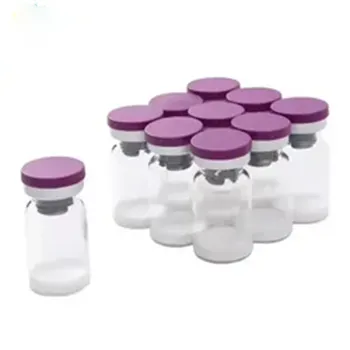
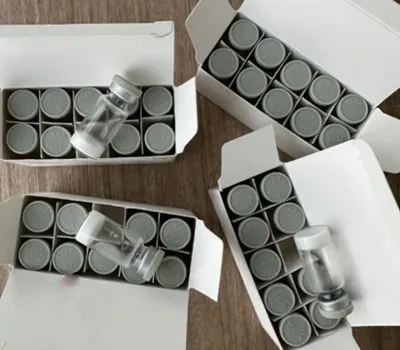
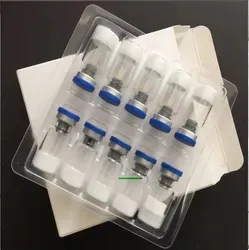
| Thymosin Alpha-1 |
5mg*10vials ,10mg*10vials |
|---|





Reviews
There are no reviews yet.