


Fast Delivery
Quick, reliable shipping to any location.

Free & easy returns
Return this item by mail or in store within 90 days for a full refund.
Thymalin: The Complete Guide to This Immunomodulatory Peptide
Thymalin is a naturally occurring polypeptide complex that has garnered significant attention in the scientific community for its diverse biological activities. Derived from the thymus gland, this peptide bioregulator plays a crucial role in modulating immune function, influencing cellular processes, and even demonstrating potential geroprotective properties . This comprehensive guide explores the biochemistry, mechanisms of action, clinical applications, and current research surrounding Thymalin.
Table of Contents
-
What is Thymalin?
-
Biochemical Structure and Properties
-
Mechanism of Action
-
Primary Clinical Applications
-
Thymalin for Geroprotection and Longevity
-
Dosage and Administration
-
Safety and Contraindications
-
Frequently Asked Questions (FAQs)
-
Final Verdict
What is Thymalin? {#what-is-thymalin}
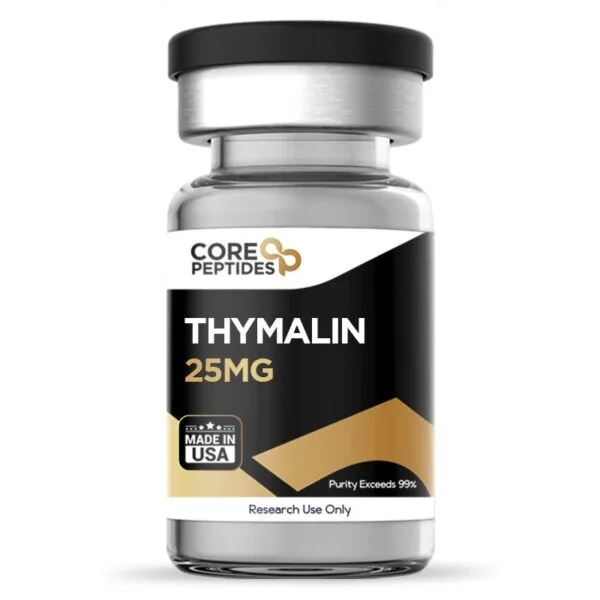
Thymalin is a polypeptide drug isolated from the thymus gland of calves . It was developed using a technology for extracting polypeptide complexes from various organs and tissues of young animals . As a peptide-based bioregulator, Thymalin encompasses a sequence of short peptides known to influence the differentiation, proliferation, and functional activity of immune cells .
The drug is classified as an immunomodulatory agent that normalizes the functions of the immune system and stimulates the processes of regeneration and hematopoiesis when they are suppressed . Its primary mechanism involves restoring the number and ratio of T and B lymphocytes, their subpopulations, and enhancing phagocytosis .
Thymalin’s biological significance lies in its capacity to modulate gene expression and support homeostatic mechanisms at the cellular level, making it a valuable tool in the field of peptide research and immunological studies . The unique structure and functional properties of Thymalin have positioned it as an important resource for investigating peptide-mediated regulatory pathways and cellular communication in various model systems .
Regulatory Status
Thymalin is a registered medication in several countries, including Russia and Belarus, where it is prescribed as an immunostimulating agent . It is important to note that for laboratory research applications, Thymalin is intended for biological and industrial research purposes, not for individual clinical or medical use outside of approved indications .
Biochemical Structure and Properties {#biochemical-structure}
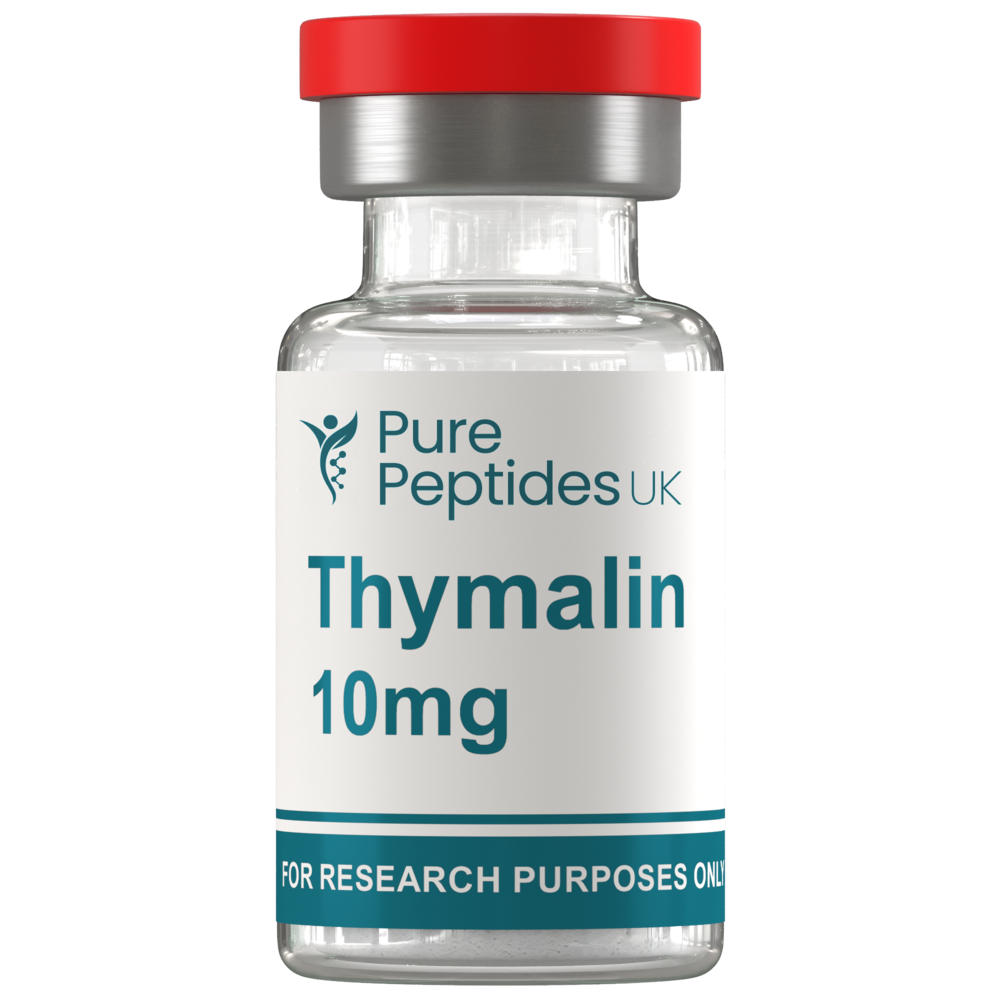
Thymalin is a synthetic peptide complex with a defined amino acid sequence that enables precise biochemical characterization .
Molecular Specifications
| Attribute | Details |
|---|---|
| Molecular Formula | C33H54N12O15 |
| Molecular Weight | 858.9 g/mol |
| Sequence | Pyr-Ala-Lys-Ser-Gln-Gly-Gly-Ser-Asn-OH |
| Amino Acid Count | 9 amino acid residues |
| CAS Number | 78922-62-0 |
The peptide chain is composed of nine amino acids and has been studied extensively for its bioactive properties .
Active Components
Thymalin contains several short peptides identified via mass spectrometry and high-performance liquid chromatography (HPLC). Key active components include :
-
EW Dipeptide (Thymogen): A highly effective immunomodulator that has been synthesized and studied extensively. It demonstrates the ability to reduce angiotensin-induced vasoconstriction and preserve endothelium-dependent vascular relaxation by inhibiting ACE2, the target protein of SARS-CoV-2 .
-
KE Dipeptide (Vilon): Stimulates cellular immunity and nonspecific resistance, exerting an activating effect on macrophages, blood lymphocytes, thymocytes, and neutrophils. It has also shown the ability to normalize telomere length in PHA-stimulated blood lymphocytes .
-
EDP Tripeptide (Crystagen): Exhibits high biological activity .
Sequence and Structure
The compact architecture of Thymalin supports mapping of protein-binding determinants . Its structure is enriched with charged and polar residues that encourage flexible secondary structuring, making it an ideal candidate for studying residue-specific interaction motifs and conformational adaptability .
Mechanism of Action {#mechanism-of-action}
The molecular mechanism of Thymalin action is complex and involves multiple pathways at the gene and protein level.
Gene Expression Regulation
Thymalin and its active components regulate the expression of various genes involved in immune function, cellular differentiation, and aging. Research has demonstrated that the KE dipeptide can regulate the gene expression of proteins including :
-
EPS15, MCM10 homolog, Culline 5, APG5L, FUSED, ZNF01, ITPK1, SLC746, MLLT3
-
IGF1, FOXO1, TERT, TNKS2, and NFKB in human embryonic mesenchymal stem cells
DNA Binding Properties
The active dipeptides in Thymalin exhibit selective binding to specific DNA sequences . Studies using molecular docking and modeling have revealed :
-
EW Dipeptide: Preferentially binds to the GGAG DNA sequence in the classical B-form
-
KE Dipeptide: Preferentially binds to the GCGC DNA sequence in the curved nucleosomal form
This DNA-binding capability is thought to underlie the peptides’ ability to regulate gene expression and protein synthesis .
Cytokine Regulation
Thymalin and its active components significantly influence cytokine production. In studies using a lipopolysaccharide (LPS)-induced model of inflammation, Thymalin and the EW and KE dipeptides reduced the synthesis of pro-inflammatory cytokines :
-
IL-1β: Reduced by 1.4-6.0 times
-
IL-6: Reduced by 1.4-6.0 times
-
TNF-α: Reduced by 1.4-6.0 times
The immunomodulatory effect is based on the potential ability of its active components to regulate protein synthesis involved in the development of the cytokine storm, a critical factor in severe inflammatory conditions .
Target Proteins
Cluster analysis has revealed potential target genes for the EW and KE peptides :
-
Common Targets: AKT1 and AKT2 proteins involved in cytokine storm development
-
EW Peptide Targets: ACE2 and CYSLTR1 genes
-
KE Peptide Targets: CHUK gene
The protein products of these genes are functionally associated with IL-1β, IL-6, TNF-α, IL-4, and IL-10 cytokines .
Primary Clinical Applications {#clinical-applications}
Thymalin is used in the treatment of various diseases associated with immune dysfunction in children and adults .
Immunodeficiency States
Thymalin is indicated for immunodeficiency states in adults and children (from 6 months to 14 years) . It is used to treat conditions including :
-
Acute and chronic viral infections
-
Bacterial infections
-
Infectious purulent and septic processes
-
Immunodepression after chemotherapy or radiation therapy
-
Suppression of hematopoiesis
Respiratory System Applications
The use of Thymalin in the treatment of patients with acute lung abscesses led to a decrease in the systemic inflammatory response syndrome, a decrease in plasma fibrinolytic activity, and the cessation of hypercoagulation . It has also demonstrated efficacy in the therapy of acute respiratory distress syndrome and chronic obstructive pulmonary disease .

COVID-19 Research
Recent research has explored Thymalin’s potential role in the complex therapy of COVID-19. Given that the risk group for COVID-19 is mainly elderly people, Thymalin has been considered a potential drug for complex therapy of SARS-CoV-2 infection . A case of successful clinical use in severe COVID-19 has been described .
The immunomodulatory effect of Thymalin under inflammatory response conditions in COVID-19 is based on the potential ability of its active components, EW and KE dipeptides, to regulate protein synthesis involved in the development of the cytokine storm . Thymalin and EW and KE peptides have been shown to :
-
Reduce the synthesis of IL-1β, IL-6, and TNF-α cytokines
-
Inhibit ACE2, the target protein of SARS-CoV-2
-
Preserve endothelium-dependent vascular relaxation
Experimental Duodenal Ulcer Research
Studies have investigated the effects of Thymalin on the course of experimental duodenal ulcers. Regulatory peptides, including Thymalin, have been shown to play an important part in the protection of the gastric and duodenal mucosa against damaging factors .
Hyperlipidemia and Atherosclerosis
Thymalin has also demonstrated hypolipidemic and antiatherosclerotic actions in experimental models. In rabbits maintained on a cholesterol-containing diet, Thymalin exhibited favorable effects on the functional activity of lymphocytes impaired in hyperlipidemic animals, normalizing T-suppressor activity and sensitivity to atherogenic lipoproteins .
Thymalin for Geroprotection and Longevity {#geroprotection-longevity}
One of the most remarkable aspects of Thymalin research is its potential geroprotective properties.
Clinical Geroprotection Study
Researchers at the St. Petersburg Institute of Bioregulation and Gerontology and the Institute of Gerontology of the Ukrainian Academy of Medical Sciences clinically assessed the geroprotective effects of Thymalin in 266 elderly and older persons over 6-8 years . The bioregulators were applied for the first 2-3 years of observation.
Key Findings
The study revealed that Thymalin administration resulted in :
| Outcome | Improvement |
|---|---|
| Acute Respiratory Disease Incidence | Reduced by 2.0-2.4 times |
| Mortality Rate (Thymalin group) | Reduced by 2.0-2.1 times |
| Mortality Rate (Thymalin + Epithalamin) | Reduced by 2.5-4.1 times |
Health Improvements
The bioregulators normalized the basic functions of the human organism, improving indices of :
-
Cardiovascular system
-
Endocrine system
-
Immune system
-
Nervous system
-
Homeostasis and metabolism
The patients also experienced reduced incidence of clinical manifestations of :
-
Ischemic heart disease
-
Hypertension disease
-
Deforming osteoarthrosis
-
Osteoporosis
Conclusion on Geroprotection
The obtained data confirmed the high geroprotective efficacy of Thymalin and the expediency of its application in medicine and social care for health maintenance and age-related pathology prevention in persons over 60 to prolong their active longevity .
Dosage and Administration {#dosage-administration}
Thymalin is administered via intramuscular injection .
Administration Instructions
-
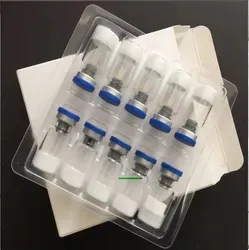
The contents of the vial are dissolved before injection in 1-2 ml of isotonic sodium chloride solution .
-
The solution is prepared immediately before use .
-
The contents are mixed by a rotational motion, avoiding foam formation, until a uniform suspension is obtained .
-
Thymalin is injected deeply into the muscle, avoiding blood vessels .
-
Intravenous administration is not permitted .
-
Storage and subsequent use of the ready solution is not permitted .
Dosage for Adults
| Population | Daily Dose | Course Duration | Total Course Dose |
|---|---|---|---|
| Adults (therapeutic) | 5-20 mg | 3-10 days | 30-100 mg |
| Adults (preventive) | 5-10 mg | 3-5 days | N/A |
Dosage for Children
| Age Group | Daily Dose | Course Duration |
|---|---|---|
| Up to 1 year | 1 mg (contraindicated in Belarus) | 3-10 days |
| 1-3 years | 1.5-2 mg | 3-10 days |
| 4-6 years | 2-3 mg | 3-10 days |
| 7-14 years | 3-5 mg | 3-10 days |
Repeat Courses
If necessary, a repeat course may be administered after 1-6 months .
Notes on Pediatric Use
-
In Belarus, the official instruction indicates that Thymalin should not be used in children under 1 year due to the absence of data on efficacy and safety .
-
It should not be used in adolescents aged 12-17 years .
Safety and Contraindications {#safety-contraindications}
Thymalin and its active component Thymogen have been noted to have practically no side effects .
Contraindications
According to the official product information, contraindications include :
-
Allergy (hypersensitivity to the active substance)
-
Pregnancy
-
Lactation
Side Effects
Thymalin has been reported to have a favorable safety profile. The drug:
-
Is well-tolerated in both children and adults
-
Has been used safely in elderly patients
-
Demonstrates no significant toxicity even with repeated courses
Specific Considerations
-
Elderly Patients: Thymalin is particularly appropriate for elderly and senile persons to reduce the incidence of acute respiratory diseases by 2.0-2.4 times .
-
Postoperative Use: The use of thymogen restored the structural and functional parameters of immunity and led to a statistically significant decrease in the number and range of postoperative complications and a reduction in the postoperative period .
Frequently Asked Questions (FAQs) {#faqs}
1. What is Thymalin used for?
Thymalin is used for various diseases associated with immune dysfunction, including acute and chronic viral and bacterial infections, infectious purulent and septic processes, impaired regeneration processes, and suppression of immunity and hematopoiesis after chemotherapy or radiation therapy .
2. What are the active components of Thymalin?
The active components of Thymalin are short peptides including the dipeptide EW (thymogen), the dipeptide KE (vilon), and the tripeptide EDP (crystagen) .
3. Does Thymalin have side effects?
Thymalin and thymogen have practically no side effects .
4. Can Thymalin help with COVID-19?
Research suggests Thymalin and its components may be effective in the complex therapy for COVID-19. They reduce the synthesis of pro-inflammatory cytokines IL-1β, IL-6, and TNF-α by 1.4-6.0 times, and the EW dipeptide inhibits ACE2, the target protein of SARS-CoV-2 .
5. Does Thymalin have anti-aging effects?
Yes. Clinical studies in 266 elderly patients showed that Thymalin reduced mortality by 2.0-2.1 times over 6-8 years . It also restored functions of the immune system and reduced the incidence of acute respiratory diseases .
6. What is the dosage of Thymalin?
Adults: 5-20 mg daily for 3-10 days (course total 30-100 mg). Children: Doses vary from 1-5 mg daily depending on age .
7. How is Thymalin administered?
Thymalin is administered via intramuscular injection. The contents of the vial are dissolved in 1-2 ml of isotonic sodium chloride solution before injection .
8. Is Thymalin FDA approved?
Thymalin is not an FDA-approved drug in the United States. It is a registered medication in several countries, including Russia and Belarus . For research purposes, it is sold for laboratory use only.
9. Can Thymalin prevent acute respiratory diseases?
Yes. The use of Thymalin helped to reduce the incidence of acute respiratory diseases in elderly and senile people by 2.0-2.4 times .
10. What is Thymalin’s effect on atherosclerosis?
In animal studies, Thymalin exhibited hypolipidemic and antiatherosclerotic actions, normalizing T-suppressor activity and sensitivity to atherogenic lipoproteins in rabbits fed a cholesterol-containing diet .
Final Verdict {#final-verdict}
Thymalin represents a significant advancement in the field of peptide-based immunomodulation. With over three decades of research supporting its efficacy, this polypeptide complex derived from calf thymus has demonstrated diverse and potent biological activities.
Key Takeaways
-
Immunomodulatory Power: Thymalin normalizes immune function by restoring T and B lymphocyte ratios and enhancing phagocytosis, making it effective for various immunodeficiency conditions .
-
Molecular Sophistication: The drug’s active components—the EW dipeptide (thymogen) and KE dipeptide (vilon)—exert their effects through DNA binding and gene expression regulation, influencing key proteins involved in immunity, inflammation, and cellular health .
-
Geroprotective Potential: Clinical studies have demonstrated Thymalin’s ability to reduce mortality, decrease disease incidence, and improve quality of life in elderly populations .
-
Emerging Applications: Recent research highlights Thymalin’s potential in COVID-19 therapy by reducing inflammatory cytokines and inhibiting ACE2, the SARS-CoV-2 target protein .
-
Favorable Safety Profile: Thymalin and its components have practically no side effects, making them suitable for use across diverse patient populations .
Whether viewed as an established immunomodulatory drug, a subject of ongoing COVID-19 research, or a geroprotective agent with significant longevity potential, Thymalin continues to be a compound of considerable scientific and clinical interest.





Reviews
There are no reviews yet.