

Fast Delivery
Quick, reliable shipping to any location.

Free & easy returns
Return this item by mail or in store within 90 days for a full refund.
Melanotan 2 Acetate – Product Description
The Research Peptide for Melanocortin Receptor Studies and Pigmentation Research
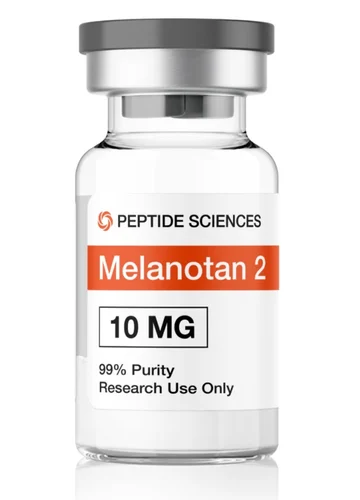
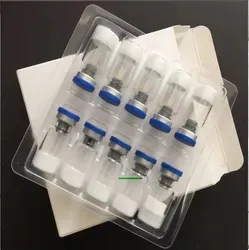
Melanotan 2 (MT-II) acetate is a synthetic cyclic heptapeptide analog of α-melanocyte-stimulating hormone (α-MSH) . As a non-selective melanocortin receptor agonist with high affinity for MC3-R and MC4-R, it is a well-established research tool for investigating skin pigmentation (melanogenesis), energy homeostasis, and other melanocortin-mediated pathways . It is widely recognized in scientific literature for its distinctive biological profile that extends beyond simple tanning induction, notably affecting appetite and sexual function, which distinguishes it from its predecessor, Melanotan 1 .
Table of Contents
-
What is Melanotan 2 Acetate?
-
Mechanism of Action
-
Key Research Findings
-
Dosing and Administration
-
Safety Profile and Regulatory Status
-
Frequently Asked Questions (FAQs)
-
References
What is Melanotan 2 Acetate?
Melanotan 2 is a synthetic cyclic peptide that functions as a potent analog of the endogenous hormone α-MSH . Its chemical structure includes a lactam bridge, making it conformationally constrained and more potent than linear α-MSH analogs .
| Property | Detail |
|---|---|
| Synonyms | MT-II, Ac-Nle-Asp-His-D-Phe-Arg-Trp-Lys-NH₂ (cyclic), Barbie drug |
| CAS Number | 1036322-26-5 (acetate salt) |
| Molecular Formula (Base) | C₅₀H₆₉N₁₅O₉ |
| Molecular Weight (Base) | 1024.18 Da |
| Molecular Formula (Acetate) | C₅₀H₆₉N₁₅O₉ · xC₂H₄O₂ |
| Molecular Weight (Acetate) | ~1084.23 Da |
| Purity (Research Grade) | ≥95% (HPLC) |
| Sequence | Ac-Nle-Asp-His-Phe-Arg-Trp-Lys-NH₂ (cyclic) |
| Receptor Targets | MC3-R, MC4-R (and MC1-R) |
Difference Between Melanotan 1 and Melanotan 2
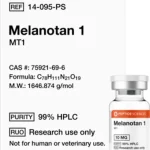
Melanotan 1 (afamelanotide) is a linear peptide that primarily binds to MC1 receptors responsible for tanning, resulting in fewer off-target effects. However, it requires much higher doses for effect. Melanotan 2 is a cyclic peptide that binds to a broader range of melanocortin receptors, accounting for both its enhanced tanning potency at lower doses and its wider range of biological effects, including appetite suppression and sexual function modulation .
Mechanism of Action
Melanotan 2 acts as a non-selective agonist at melanocortin receptors :
| Receptor | Primary Location | Effect of Activation |
|---|---|---|
| MC1-R | Melanocytes | Stimulates eumelanin production (skin darkening) |
| MC3-R | CNS, hypothalamus | Regulates energy homeostasis and feeding behavior |
| MC4-R | CNS | Modulates appetite, energy expenditure, and sexual function |
The primary research interest in Melanotan 2 stems from its ability to stimulate melanogenesis and thus increase skin pigmentation . It acts synergistically with UV light exposure—injection alone may cause some darkening, but the effects are far more dramatic when combined with exposure to sunlight or tanning beds .
Key Research Findings
Phase I Clinical Trial (1996)
A pilot Phase I study in 3 normal male volunteers established the foundational pharmacokinetic profile of Melanotan 2:
| Parameter | Finding |
|---|---|
| Dose Range | 0.01–0.03 mg/kg SC, administered daily (Mon–Fri) for 2 weeks |
| Maximum Tolerated Dose | 0.03 mg/kg produced Grade II somnolence and fatigue in one of two subjects |
| Recommended Dose | 0.025 mg/kg/day for future studies |
Observed Effects
-
Tanning Activity: Two subjects showed increased pigmentation in the face, upper body, and buttock after only 5 low doses
-
Erectile Effects: Spontaneous penile erections lasting 1–5 hours were correlated with a stretching and yawning complex following dosing
-
Gastrointestinal Effects: Mild nausea (not requiring antiemetic treatment) was reported at most dose levels
Research Applications
Melanotan 2 has been used in research to study:
-
Inhibitory effects on feeding and energy expenditure in rats
-
Melanocortin receptor signaling pathways
-
Male erectile function via central and peripheral mechanisms

Dosing and Administration
| Aspect | Detail |
|---|---|
| Route | Subcutaneous injection (into fatty layer, typically around abdominal area) |
| Regimen | Daily until desired effect achieved, then 1–2 times weekly for maintenance |
| UV Light Exposure | Enhanced effects when combined with 2–3× weekly UV exposure (sun or tanning bed) |
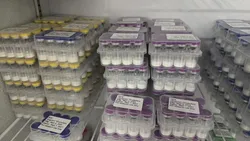
| Research Peptide Handling | Soluble in water at 5 mg/mL; store lyophilized powder at −20°C |
Reconstitution and Storage
-
Lyophilized powder: Stable for 1–2 years when stored at −20°C
-
Reconstituted solution: Store at −20°C for up to several months
-
Stability: Protect from light and avoid repeated freeze-thaw cycles
Safety Profile and Regulatory Status
Regulatory Status
Melanotan 2 is not approved by the FDA (U.S.), TGA (Australia), MHRA (UK), or other regulatory bodies for human use. Its development as a potential medication was halted years ago due to safety concerns . Warnings against its use have been issued by authorities in the U.S., UK, and other countries .
Reported Side Effects
Common side effects observed in research include:
| Category | Specific Effects |
|---|---|
| Gastrointestinal | Nausea, vomiting, loss of appetite, abdominal pain |
| Neurological | Headache, dizziness, fatigue, somnolence |
| Dermatological | Uneven skin darkening, new mole formation, darkening of existing moles, dark lines on nails |
| Cardiovascular | Chest pain, breathlessness, high blood pressure |
| Renal | Kidney failure (reported cases) |
| Serious/Rare | Painful and prolonged erections (priapism), melanoma |
Melanoma Risk Concern
A significant concern is that Melanotan 2 may increase the risk of melanoma. Cases of melanoma developing in users have been reported, and the darkening of moles can make it difficult to clinically detect melanomas or exclude them during examination . New moles and changes to existing moles occur with use .
Frequently Asked Questions (FAQs)
1. What is Melanotan 2 used for in research?
Melanotan 2 is primarily used as a research peptide for studying melanocortin receptor signaling, pigmentation (melanogenesis), energy homeostasis, and sexual function. It has high affinity for MC3-R and MC4-R, making it valuable for investigating feeding behavior and energy expenditure .
2. How does Melanotan 2 differ from Melanotan 1?
Melanotan 2 is a cyclic peptide that binds non-selectively to multiple melanocortin receptors (MC1, MC3, MC4), resulting in broader biological effects including appetite suppression and sexual function modulation. Melanotan 1 (afamelanotide) is a linear peptide that primarily targets MC1 receptors for pigmentation with fewer off-target effects but requires higher doses for similar tanning activity .
3. What are the main safety concerns with Melanotan 2?
Safety concerns include nausea, vomiting, appetite loss, headache, and dizziness. More serious risks include uneven skin darkening, new mole formation, darkening of existing moles (which can complicate melanoma detection), painful prolonged erections, and potential melanoma risk. It is not approved for human use .
4. Is Melanotan 2 legal?
No. In the U.S., UK, Australia (TGA), and other jurisdictions, Melanotan 2 is not approved and is considered a controlled substance. Its promotion and sale are subject to regulatory action .
5. How is Melanotan 2 typically administered in research settings?
Subcutaneous injection (SC) is the standard route in research. In the Phase I study, doses of 0.01–0.03 mg/kg were administered daily (Monday–Friday) for two weeks. Effects were significantly enhanced when combined with UV light exposure .
6. What is the “Barbie drug”?
“Barbie drug” is a colloquial name for Melanotan 2 used in media coverage and social media discussions. It refers to its use as an injectable tanning agent despite significant safety warnings and regulatory prohibitions .
7. What are the storage requirements for research-grade Melanotan 2 acetate?
Lyophilized powder should be stored at −20°C, protected from light. It is soluble in water at 5 mg/mL. Reconstituted solution should be stored under similar low-temperature conditions and used promptly to prevent degradation .

References
-
Sigma-Aldrich. Melanotan II acetate salt, ≥95% (HPLC) – Product Specification
-
MilliporeSigma. Melanotan II acetate salt – Product Information
-
WebMD. Melanotan: Overview, Uses, Side Effects, Precautions
-
DermNet NZ. Melanotan II – Overview and Safety Information
-
National Drugs Library. Irish Cancer Society statement on nasal tanners
-
Dorr RT, et al. Evaluation of Melanotan-II in a pilot phase-I clinical study. Life Sciences. 1996;58(20):1777-1784
-
NCATS Inxight Drugs. Melanotan II Acetate – Substance Properties
-
BenchChem. Melanotan-II Technical Guide – CNS Effects
-
Australasian Pharmacy. Dangerous ‘Barbie drug’ Melanotan-II sparks crackdown
-
HSE Ireland. Melanotan Information for Healthcare Workers (2012)
Melanotan 2 Acetate – Product Description
The Research Peptide for Melanocortin Receptor Studies and Pigmentation Research
Melanotan 2 (MT-II) acetate is a synthetic cyclic heptapeptide analog of α-melanocyte-stimulating hormone (α-MSH) . As a non-selective melanocortin receptor agonist with high affinity for MC3-R and MC4-R, it is a well-established research tool for investigating skin pigmentation (melanogenesis), energy homeostasis, and other melanocortin-mediated pathways . It is widely recognized in scientific literature for its distinctive biological profile that extends beyond simple tanning induction, notably affecting appetite and sexual function, which distinguishes it from its predecessor, Melanotan 1 .
Table of Contents
-
What is Melanotan 2 Acetate?
-
Mechanism of Action
-
Key Research Findings
-
Dosing and Administration
-
Safety Profile and Regulatory Status
-
Frequently Asked Questions (FAQs)
-
References
What is Melanotan 2 Acetate?
Melanotan 2 is a synthetic cyclic peptide that functions as a potent analog of the endogenous hormone α-MSH . Its chemical structure includes a lactam bridge, making it conformationally constrained and more potent than linear α-MSH analogs .
Property Detail Synonyms MT-II, Ac-Nle-Asp-His-D-Phe-Arg-Trp-Lys-NH₂ (cyclic), Barbie drug CAS Number 1036322-26-5 (acetate salt) Molecular Formula (Base) C₅₀H₆₉N₁₅O₉ Molecular Weight (Base) 1024.18 Da Molecular Formula (Acetate) C₅₀H₆₉N₁₅O₉ · xC₂H₄O₂ Molecular Weight (Acetate) ~1084.23 Da Purity (Research Grade) ≥95% (HPLC) Sequence Ac-Nle-Asp-His-Phe-Arg-Trp-Lys-NH₂ (cyclic) Receptor Targets MC3-R, MC4-R (and MC1-R) Difference Between Melanotan 1 and Melanotan 2
Melanotan 1 (afamelanotide) is a linear peptide that primarily binds to MC1 receptors responsible for tanning, resulting in fewer off-target effects. However, it requires much higher doses for effect. Melanotan 2 is a cyclic peptide that binds to a broader range of melanocortin receptors, accounting for both its enhanced tanning potency at lower doses and its wider range of biological effects, including appetite suppression and sexual function modulation .
Mechanism of Action
Melanotan 2 acts as a non-selective agonist at melanocortin receptors :
Receptor Primary Location Effect of Activation MC1-R Melanocytes Stimulates eumelanin production (skin darkening) MC3-R CNS, hypothalamus Regulates energy homeostasis and feeding behavior MC4-R CNS Modulates appetite, energy expenditure, and sexual function The primary research interest in Melanotan 2 stems from its ability to stimulate melanogenesis and thus increase skin pigmentation . It acts synergistically with UV light exposure—injection alone may cause some darkening, but the effects are far more dramatic when combined with exposure to sunlight or tanning beds .
Key Research Findings
Phase I Clinical Trial (1996)
A pilot Phase I study in 3 normal male volunteers established the foundational pharmacokinetic profile of Melanotan 2:
Parameter Finding Dose Range 0.01–0.03 mg/kg SC, administered daily (Mon–Fri) for 2 weeks Maximum Tolerated Dose 0.03 mg/kg produced Grade II somnolence and fatigue in one of two subjects Recommended Dose 0.025 mg/kg/day for future studies Observed Effects
-
Tanning Activity: Two subjects showed increased pigmentation in the face, upper body, and buttock after only 5 low doses
-
Erectile Effects: Spontaneous penile erections lasting 1–5 hours were correlated with a stretching and yawning complex following dosing
-
Gastrointestinal Effects: Mild nausea (not requiring antiemetic treatment) was reported at most dose levels
Research Applications
Melanotan 2 has been used in research to study:
-
Inhibitory effects on feeding and energy expenditure in rats
-
Melanocortin receptor signaling pathways
-
Male erectile function via central and peripheral mechanisms
Dosing and Administration
Aspect Detail Route Subcutaneous injection (into fatty layer, typically around abdominal area) Regimen Daily until desired effect achieved, then 1–2 times weekly for maintenance UV Light Exposure Enhanced effects when combined with 2–3× weekly UV exposure (sun or tanning bed) Research Peptide Handling Soluble in water at 5 mg/mL; store lyophilized powder at −20°C Reconstitution and Storage
-
Lyophilized powder: Stable for 1–2 years when stored at −20°C
-
Reconstituted solution: Store at −20°C for up to several months
-
Stability: Protect from light and avoid repeated freeze-thaw cycles
Safety Profile and Regulatory Status
Regulatory Status
Melanotan 2 is not approved by the FDA (U.S.), TGA (Australia), MHRA (UK), or other regulatory bodies for human use. Its development as a potential medication was halted years ago due to safety concerns . Warnings against its use have been issued by authorities in the U.S., UK, and other countries .
Reported Side Effects
Common side effects observed in research include:
Category Specific Effects Gastrointestinal Nausea, vomiting, loss of appetite, abdominal pain Neurological Headache, dizziness, fatigue, somnolence Dermatological Uneven skin darkening, new mole formation, darkening of existing moles, dark lines on nails Cardiovascular Chest pain, breathlessness, high blood pressure Renal Kidney failure (reported cases) Serious/Rare Painful and prolonged erections (priapism), melanoma Melanoma Risk Concern
A significant concern is that Melanotan 2 may increase the risk of melanoma. Cases of melanoma developing in users have been reported, and the darkening of moles can make it difficult to clinically detect melanomas or exclude them during examination . New moles and changes to existing moles occur with use .
Frequently Asked Questions (FAQs)
1. What is Melanotan 2 used for in research?
Melanotan 2 is primarily used as a research peptide for studying melanocortin receptor signaling, pigmentation (melanogenesis), energy homeostasis, and sexual function. It has high affinity for MC3-R and MC4-R, making it valuable for investigating feeding behavior and energy expenditure .
2. How does Melanotan 2 differ from Melanotan 1?
Melanotan 2 is a cyclic peptide that binds non-selectively to multiple melanocortin receptors (MC1, MC3, MC4), resulting in broader biological effects including appetite suppression and sexual function modulation. Melanotan 1 (afamelanotide) is a linear peptide that primarily targets MC1 receptors for pigmentation with fewer off-target effects but requires higher doses for similar tanning activity .
3. What are the main safety concerns with Melanotan 2?
Safety concerns include nausea, vomiting, appetite loss, headache, and dizziness. More serious risks include uneven skin darkening, new mole formation, darkening of existing moles (which can complicate melanoma detection), painful prolonged erections, and potential melanoma risk. It is not approved for human use .
4. Is Melanotan 2 legal?
No. In the U.S., UK, Australia (TGA), and other jurisdictions, Melanotan 2 is not approved and is considered a controlled substance. Its promotion and sale are subject to regulatory action .
5. How is Melanotan 2 typically administered in research settings?
Subcutaneous injection (SC) is the standard route in research. In the Phase I study, doses of 0.01–0.03 mg/kg were administered daily (Monday–Friday) for two weeks. Effects were significantly enhanced when combined with UV light exposure .
6. What is the “Barbie drug”?
“Barbie drug” is a colloquial name for Melanotan 2 used in media coverage and social media discussions. It refers to its use as an injectable tanning agent despite significant safety warnings and regulatory prohibitions .
7. What are the storage requirements for research-grade Melanotan 2 acetate?
Lyophilized powder should be stored at −20°C, protected from light. It is soluble in water at 5 mg/mL. Reconstituted solution should be stored under similar low-temperature conditions and used promptly to prevent degradation .
References
-
Sigma-Aldrich. Melanotan II acetate salt, ≥95% (HPLC) – Product Specification
-
MilliporeSigma. Melanotan II acetate salt – Product Information
-
WebMD. Melanotan: Overview, Uses, Side Effects, Precautions
-
DermNet NZ. Melanotan II – Overview and Safety Information
-
National Drugs Library. Irish Cancer Society statement on nasal tanners
-
Dorr RT, et al. Evaluation of Melanotan-II in a pilot phase-I clinical study. Life Sciences. 1996;58(20):1777-1784
-
NCATS Inxight Drugs. Melanotan II Acetate – Substance Properties
-
BenchChem. Melanotan-II Technical Guide – CNS Effects
-
Australasian Pharmacy. Dangerous ‘Barbie drug’ Melanotan-II sparks crackdown
-
HSE Ireland. Melanotan Information for Healthcare Workers (2012)
-






Reviews
There are no reviews yet.