

Fast Delivery
Quick, reliable shipping to any location.

Free & easy returns
Return this item by mail or in store within 90 days for a full refund.
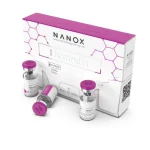
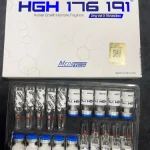
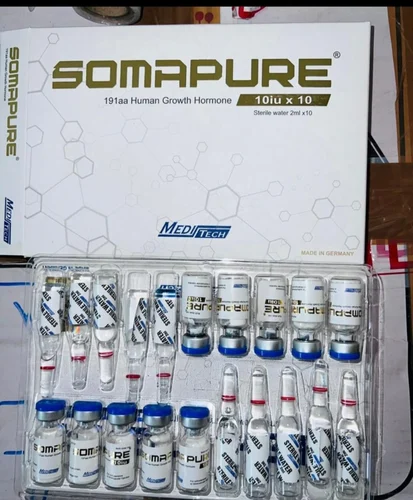
HGH 191AA (Somatropin): Research and Clinical Profile
Somatropin is a recombinant human growth hormone (rhGH) produced through recombinant DNA technology. It is a 191-amino-acid polypeptide whose structure is identical to the dominant form of endogenous human growth hormone (hGH), also known as somatotropin . This profile provides comprehensive information on its properties, mechanism of action, clinical applications, and regulatory status.
What is HGH 191AA (Somatropin)?
HGH 191AA is the scientific designation for somatropin, emphasizing its complete 191-amino-acid sequence, which is identical to that of the primary form of human pituitary growth hormone . It is produced by recombinant DNA technology using modified E. coli or mammalian cell lines .
Key Identifiers:
-
Molecular Weight: 22,125 daltons (22 kDa)
-
Amino Acid Sequence: 191 amino acids, identical to endogenous hGH
-
Approval Status: FDA-approved since 1976; EMA-approved since 2001
-
Brand Names: Nutropin®, Zorbtive®, Omnitrope®, Saizen®, Humatrope®
-
Biosimilars: Omnitrope (EMA-approved, 2006)
Mechanism of Action
Somatropin exerts its effects through both direct and indirect mechanisms . It acts by binding to specific receptors on a variety of cell types, including myocytes, hepatocytes, adipocytes, lymphocytes, and hematopoietic cells .
Direct Effects
The hormone binds directly to target cells, stimulating a cellular response through JAK-STAT signaling pathways . This process promotes gene transcription, leading to cellular growth and replication .
Indirect Effects (IGF-1 Mediated)
A significant portion of growth hormone’s effects are mediated through insulin-like growth factor-1 (IGF-1), which is produced by the liver and other tissues in response to GH stimulation . IGF-1 is responsible for many of the growth-promoting and metabolic effects associated with GH therapy .
Key Metabolic Actions
Tissue Growth :
-
Skeletal Growth: Stimulates bone growth at the epiphyseal plates in children and adolescents through direct action and IGF-1 mediation
-
Cell Growth: Increases both the number and size of skeletal muscle cells
-
Organ Growth: Influences the size of internal organs, including kidneys, and increases red cell mass
Protein Metabolism :
-
Stimulates protein synthesis
-
Results in nitrogen retention, evidenced by decreased urinary nitrogen excretion and blood urea nitrogen
Carbohydrate Metabolism :
-
Modulates carbohydrate metabolism; GH deficiency can cause fasting hypoglycemia
-
May decrease insulin sensitivity; increases serum fasting and postprandial insulin levels
-
Mean fasting glucose and HbA1c typically remain within normal range during therapy
Lipid Metabolism :
-
Promotes lipid mobilization
-
Reduces body fat stores
-
Increases plasma fatty acids
-
Decreases plasma cholesterol levels
Mineral Metabolism :
-
Promotes total body potassium retention (due to cellular growth)
-
May slightly increase serum inorganic phosphorus
-
Serum calcium is not significantly altered
-
Results in sodium retention
Connective Tissue Metabolism :
-
Stimulates synthesis of chondroitin sulfate and collagen
-
Increases urinary hydroxyproline excretion
Pharmacokinetics
Absorption
-
Bioavailability: 81±20% following subcutaneous administration
-
Tmax: Rate-limiting absorption from subcutaneous site
-
Terminal t½ (SC): 2.1±0.43 hours (slower than IV, indicating slow absorption)
Distribution
-
Localizes to highly perfused organs, particularly the liver and kidney
-
Volume of distribution: Approximately 50 mL/kg body weight
Metabolism and Elimination
-
Both liver and kidney are important metabolizing organs
-
Kidney is the dominant organ of clearance
-
GH is filtered at the glomerulus and reabsorbed in the proximal tubules, then cleaved into constituent amino acids
-
Mean terminal t½ (IV): 19.5±3.1 minutes
-
Clearance (IV): 116–174 mL/hr/kg
Special Populations
-
Renal Insufficiency: Decreased clearance in patients with chronic renal failure and end-stage renal disease; no accumulation reported with current regimens
-
Hepatic Insufficiency: Reduced clearance in severe liver dysfunction
-
Pediatric: Similar clearance to adults
-
Gender: No consistent gender-based differences
-
Geriatric: No significant differences in clearance
Clinical Indications
Somatropin is FDA-approved for multiple indications :
Pediatric Indications
-
Growth failure due to inadequate endogenous growth hormone secretion
-
Growth failure associated with chronic renal insufficiency (up to time of renal transplantation)
-
Turner syndrome
-
Prader-Willi syndrome
-
Idiopathic short stature
-
Short stature homeobox-containing gene (SHOX) deficiency
-
Small for gestational age (SGA) birth
Adult Indications
-
Adult-onset growth hormone deficiency (with or without multiple hormone deficiencies)
-
Childhood-onset growth hormone deficiency (transition to adulthood)
-
HIV wasting syndrome (cachexia)
-
Short bowel syndrome (SBS)
Regulatory Status and Legal Considerations
FDA Approval
Somatropin is an FDA-approved prescription drug for multiple indications . It has been available since 1976 and continues to be regulated as a prescription medication .
WADA Prohibited Status
HGH is listed on the World Anti-Doping Agency (WADA) Prohibited List under Section S2.2: Peptide Hormones, Growth Factors, Related Substances and Mimetics . It is prohibited at all times—both in and out of competition . The prohibition includes:
-
GH and its fragments
-
GH-releasing factors and secretagogues
-
Related growth factors and mimetics
TGA Approval (Australia)
Human growth hormone (somatropin) is approved by the Therapeutic Goods Administration (TGA) for use in prescription medicines .
Research-Use Only Products
Research-grade somatropin (purity >98%) is available for laboratory use, with documented activity in cell proliferation assays .
Frequently Asked Questions
What is HGH 191AA (Somatropin)?
HGH 191AA (somatropin) is a recombinant human growth hormone with a 191-amino-acid sequence identical to the dominant form of naturally occurring human pituitary growth hormone .
Is Somatropin FDA-approved?
Yes, somatropin is an FDA-approved prescription drug for the treatment of growth hormone deficiency and other conditions such as Turner syndrome, chronic renal insufficiency, idiopathic short stature, and adult GH deficiency .
What are the approved indications for Somatropin?
Approved indications include pediatric growth hormone deficiency, Turner syndrome, chronic renal insufficiency, Prader-Willi syndrome, idiopathic short stature, SGA birth, SHOX deficiency, adult-onset GH deficiency, HIV wasting syndrome, and short bowel syndrome .
Is HGH banned in sports?
Yes, HGH is prohibited by WADA under Section S2.2 at all times—both in and out of competition .
What is the mechanism of action of Somatropin?
Somatropin stimulates growth through both direct receptor binding and indirect IGF-1-mediated effects. It promotes protein synthesis, lipid mobilization, mineral retention, and connective tissue metabolism .
What are the pharmacokinetic properties of Somatropin?
Subcutaneous bioavailability is approximately 81%; terminal half-life is about 2.1 hours. It is metabolized in the liver and kidneys, with the kidney being the dominant site of clearance .
Can Somatropin be used for research?
Research-grade somatropin (>98% purity) is available for laboratory research, with documented biological activity in cell proliferation assays. It is intended for in vitro and preclinical research use only .
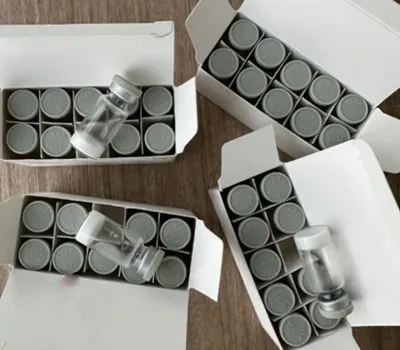
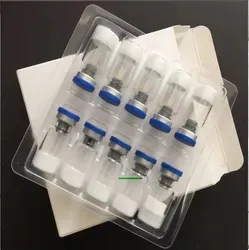
| HGH 191AA(Somatropi) |
10iu*10vials ,15iu*10vials |
|---|





Reviews
There are no reviews yet.