


Fast Delivery
Quick, reliable shipping to any location.

Free & easy returns
Return this item by mail or in store within 90 days for a full refund.
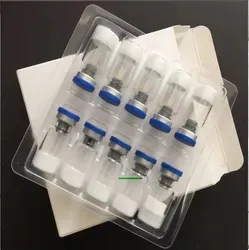
GHK-Cu 50mg + BPC-157 10mg + TB-500 10mg – Product Description
Synergistic Peptide Blend for Tissue Regeneration and Cellular Repair Research
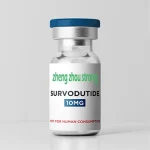
TB10mg + BPC-157 + GHK50: This 50mg/10mg/10mg peptide blend combines three of the most extensively studied regenerative peptides: GHK-Cu (Copper Tripeptide-1), BPC-157 (Body Protection Compound-157), and TB-500 (Thymosin Beta-4 fragment). Each peptide targets distinct but complementary biological pathways involved in tissue repair, inflammation modulation, angiogenesis, and extracellular matrix remodeling . When combined, these peptides create a coordinated regenerative signal that promotes healing across skin, muscle, connective tissue, and vascular systems . Multi-peptide blends offer the advantage of reducing the number of daily injections while maximizing synergistic therapeutic effects .
Table of Contents
-
What is the GHK-Cu / BPC-157 / TB-500 Blend?
-
Mechanisms of Action
-
Key Research Findings
-
Product Specifications
-
Dosing and Reconstitution Guidelines
-
Safety Profile and Regulatory Status
-
Frequently Asked Questions (FAQs)
-
References
What is the GHK-Cu / BPC-157 / TB-500 Blend?
This peptide blend combines three synergistic regenerative compounds in a single formulation. The standard concentration for this blend is GHK-Cu 50mg, BPC-157 10mg, and TB-500 10mg per vial .
| Component | Description | Primary Role |
|---|---|---|
| GHK-Cu | Naturally occurring copper-binding tripeptide; levels decline with age | Collagen synthesis, angiogenesis, antioxidant defense, tissue remodeling |
| BPC-157 | 15-amino-acid peptide derived from human gastric juice | Angiogenesis, fibroblast activation, nitric oxide modulation, tendon/ligament healing |
| TB-500 | Synthetic fragment of thymosin beta-4 (Tβ4); active segment for tissue repair | Cell migration, actin polymerization, anti-inflammatory, angiogenesis |
Mechanisms of Action
Each peptide in this blend contributes through distinct but complementary molecular pathways :
| Peptide | Mechanisms of Action | Primary Molecular Pathways |
|---|---|---|
| BPC-157 | Angiogenesis, ECM remodeling, NO signaling, integrin modulation | PI3K/Akt, VEGF, eNOS, TGF-β, FAK |
| TB-500 | Cell migration, inflammation modulation, cytoskeletal repair | MAPK, NF-κB, actin polymerization, FAK |
| GHK-Cu | Collagen turnover, antioxidant defense, matrix regeneration | MMP regulation, NRF2, copper-redox axis |
BPC-157 (Body Protection Compound-157)
Promotes fibroblast activity, modulates the nitric oxide system, enhances angiogenesis through VEGF, downregulates proinflammatory cytokines, and stimulates collagen remodeling. Preclinical studies show regenerative potential across tendons, ligaments, muscle, nerves, and gastrointestinal lining .
TB-500
Derived from thymosin beta-4 (Tβ4), an endogenous protein upregulated in response to tissue injury. Promotes actin polymerization, progenitor cell recruitment, and enhanced cellular migration—processes integral to wound healing. Exhibits anti-inflammatory effects and proangiogenic activity .
GHK-Cu (Copper Tripeptide-1)
Stimulates dermal fibroblast proliferation, regulates matrix metalloproteinases, supports collagen turnover, and promotes angiogenesis. Widely studied in dermatologic and aesthetic medicine for wound healing and anti-aging effects; now being explored for orthopaedic applications . GHK-Cu has been shown to influence thousands of genes involved in repair, anti-inflammation, and antioxidant defense .

Key Research Findings
Orthopaedic and Wound Healing Applications
Therapeutic peptides like BPC-157, TB-500, and GHK-Cu have shown promise in orthopaedic and regenerative medicine. A case series of 17 patients reported reduced symptoms in more than 90% of patients following intra-articular knee BPC-157 injections for tendon and ligament injuries at minimum 6-month follow-up . However, these findings are largely unvalidated in rigorous human trials, and significant research is required before definitive recommendations can be made .
Synergistic Effects
KLOW, a similar peptide blend containing GHK-Cu (50mg), BPC-157 (10mg), and TB-500 (10mg), is described as a “precision-engineered peptide blend” designed to address inflammation, tissue damage, impaired healing, and cellular dysfunction simultaneously . The combination is believed to create a coordinated regenerative signal across skin, muscle, connective tissue, gut lining, and vascular systems .
Regulatory and Safety Context
These peptides are not FDA-approved drugs and have been subject to regulatory scrutiny. BPC-157 and TB-500 were moved to Category 2 by the FDA in late 2023, indicating safety concerns and a lack of adequate human clinical data . Injectable GHK-Cu has never had clear FDA authorization for routine compounding . The FDA has scheduled advisory committee meetings to discuss whether these peptides should potentially be added to the 503A Bulks List .
Product Specifications
| Specification | Detail |
|---|---|
| Product Name | GHK-Cu + BPC-157 + TB-500 Blend |
| Concentration | GHK-Cu 50mg / BPC-157 10mg / TB-500 10mg per vial |
| Total Peptide Content | 70mg per vial |
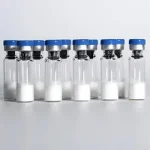
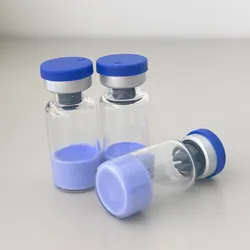
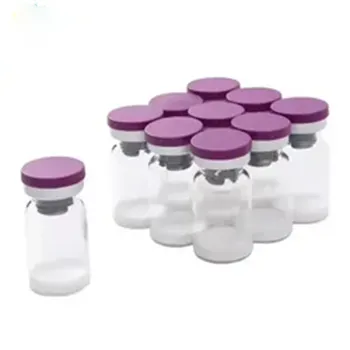
| Form | Lyophilized powder |
| Grade | Research Use Only / Compounded Medication (prescription required) |
| Administration Route | Subcutaneous injection |
| Preparation | Compounded under USP sterile standards |
| Storage | -20°C, protected from moisture and light |
| Availability | Available exclusively through licensed healthcare providers and for research purposes |
Dosing and Reconstitution Guidelines
Reconstitution
Proper reconstitution is critical for accurate dosing. The amount of bacteriostatic water added depends on the desired concentration. The table below provides examples based on available protocols :
| Bacteriostatic Water Added | Concentration per mL | Dose per Injection Volume |
|---|---|---|
| 3 mL | GHK-Cu 16.7mg / BPC-157 3.3mg / TB-500 3.3mg per mL | 0.1mL = 1.7mg / 333mcg / 333mcg |
| 4 mL | GHK-Cu 12.5mg / BPC-157 2.5mg / TB-500 2.5mg per mL | 0.1mL = 1.25mg / 250mcg / 250mcg |
| 10 mL | GHK-Cu 5mg / BPC-157 1mg / TB-500 1mg per mL | 0.25mL (25 units) = 1.25mg / 250mcg / 250mcg |
Example Reconstitution Protocol
One recommended approach uses 10 mL of bacteriostatic water, yielding a solution where each mL contains 5mg GHK-Cu, 1mg BPC-157, and 1mg TB-500. Drawing 0.25 mL (25 units on a U-100 insulin syringe) delivers approximately 1.25mg, 250mcg, and 250mcg, respectively .
Typical Starting Doses
| Parameter | Recommendation |
|---|---|
| Starting Dose | 0.05–0.1 mL (5–10 units) once daily, containing ~250–500mcg each of BPC-157/TB-500 and ~1mg GHK-Cu |
| Titration | May increase to 0.1 mL (10 units) twice daily if tolerated |
| Frequency | Daily for 4–6 weeks, then reduce to twice weekly for maintenance |
Important: Dosing recommendations are research-derived and should be individualized under the supervision of a licensed healthcare provider . These peptides are not approved for self-administration.

Safety Profile and Regulatory Status
Reported Side Effects
| Category | Specific Effects |
|---|---|
| Common | Mild injection site redness, transient swelling |
| Occasional | Headache, fatigue, mild dizziness |
Regulatory Status
-
Not FDA-Approved: These peptides are not FDA-approved drugs. They are classified as research compounds or compounded medications .
-
TGA Warning: Australia’s TGA has identified serious adverse effects associated with unapproved peptides, including liver damage, severe allergic reactions requiring hospitalization, and inflammation requiring medical attention .
-
FDA Categorization: BPC-157 and TB-500 were moved to Category 2 (safety concerns) in late 2023; injectable GHK-Cu remains in a regulatory gray area .
-
Pending Review: FDA advisory committee meetings are scheduled for July 2026 to discuss BPC-157 and TB-500; GHK-Cu is expected to be reviewed in 2027 .
Safety Considerations
-
Limited Human Data: While preclinical studies are promising, there is a lack of rigorous clinical trials supporting efficacy and safety .
-
Not for Self-Administration: These are potent research compounds requiring licensed provider oversight .
-
Contraindications: Avoid in patients with active cancer (theoretical risk of aberrant tumorigenesis in dysplastic tissues, though some studies have found BPC-157 may inhibit tumor growth in certain cell lines ) and pregnancy/lactation.
Frequently Asked Questions (FAQs)
1. What is this peptide blend used for in research?
It is studied for tissue regeneration, wound healing, musculoskeletal injury recovery, inflammation modulation, and anti-aging applications. Research applications include tendon, ligament, muscle, skin, and gastrointestinal repair .
2. How does this blend work synergistically?
Each peptide targets different but complementary pathways: GHK-Cu stimulates collagen synthesis and antioxidant defense, BPC-157 promotes angiogenesis and fibroblast activation, and TB-500 enables cell migration and tissue remodeling. Together, they create a coordinated regenerative signal .
3. Is this blend FDA-approved?
No. These peptides are not FDA-approved drugs. They are classified as research compounds or compounded medications. BPC-157 and TB-500 have been moved to Category 2 (safety concerns) by the FDA .
4. What dose is typically used?
Typical starting doses are 5–10 units (0.05–0.1 mL) once daily, which deliver approximately 250–500mcg each of BPC-157/TB-500 and ~1–2mg GHK-Cu. Protocols may vary and should be guided by a licensed healthcare provider .
5. What are the side effects?
Common side effects include injection site redness, transient swelling, headache, and fatigue. These are generally mild and well-tolerated . Serious adverse effects have been reported with unapproved peptide use, including liver damage and severe allergic reactions requiring hospitalization .
6. What are the regulatory risks?
The TGA has issued warnings about serious health risks . The FDA has categorized these peptides with safety concerns and is reviewing them . Use should only occur under physician supervision.
7. What is GHK-Cu?
GHK-Cu (Copper Tripeptide-1) is a naturally occurring copper-binding peptide involved in skin and connective tissue remodeling. It stimulates dermal fibroblast proliferation, regulates matrix metalloproteinases, and supports collagen turnover .
8. What is BPC-157?
BPC-157 (Body Protection Compound-157) is a 15-amino-acid peptide derived from human gastric juice. It promotes angiogenesis, modulates nitric oxide signaling, enhances fibroblast activity, and supports tendon, ligament, and gastrointestinal healing .
9. What is TB-500?
TB-500 is a synthetic fragment of thymosin beta-4 (Tβ4), promoting actin polymerization, cell migration, inflammation modulation, and angiogenesis. It is often used in tissue repair research .


Reviews
There are no reviews yet.