



Fast Delivery
Quick, reliable shipping to any location.

Free & easy returns
Return this item by mail or in store within 90 days for a full refund.
Semax – Product Description
The Synthetic Heptapeptide for Cognitive and Neuroprotective Research
Semax (Met-Glu-His-Phe-Pro-Gly-Pro) is a synthetic heptapeptide and an analog of the N-terminal fragment (4-10) of adrenocorticotropic hormone (ACTH). It was developed in the 1980s at the Institute of Molecular Genetics in Moscow to retain the cognitive-modulating properties of ACTH fragments without the hormonal activity of the full-length hormone. The peptide’s structure is stabilized by a C-terminal Pro-Gly-Pro extension, which protects it from rapid enzymatic degradation.
First registered with the Russian Ministry of Health in 1994, Semax is indicated for cerebrovascular conditions, including stroke, and has been studied for its effects on cognition, neuroprotection, and mood. It is not FDA-approved in the United States, where it is classified as a research peptide.
Table of Contents
-
What is Semax?
-
Mechanism of Action
-
Key Research Findings
-
Product Specifications
-
Dosing and Administration
-
Safety Profile
-
Frequently Asked Questions (FAQs)
-
References
What is Semax?
Semax is a synthetic peptide with the amino acid sequence Met-Glu-His-Phe-Pro-Gly-Pro. It is a structural analog of the ACTH(4-7) fragment, the tetrapeptide core responsible for the central nervous system effects of adrenocorticotropic hormone.
| Property | Detail |
|---|---|
| Sequence | Met-Glu-His-Phe-Pro-Gly-Pro (MEHFPGP) |
| Molecular Formula | C₃₇H₅₁N₉O₁₀S |
| Molecular Weight | 813.93 Da |
| CAS Number | 80714-61-0 |
| Purity (Research Grade) | ≥98% (HPLC) |
| Form | Lyophilized powder |
| Solubility | Soluble in water (>2 mg/mL) |
| Storage | -20°C, protected from moisture |
Mechanism of Action
Semax exerts its primary effects through several interrelated mechanisms:
| Mechanism | What It Does | Why It Matters |
|---|---|---|
| Neurotrophin Upregulation | Increases brain-derived neurotrophic factor (BDNF) and nerve growth factor (NGF) expression | BDNF supports neuronal survival, synaptic plasticity, and learning |
| Melanocortin Receptor Modulation | Binds to specific sites in the brain that influence cognitive and neuroprotective pathways | Mediates nootropic and neuroprotective effects |
| Regulation of Gene Expression | Modulates immune-response and vascular-system genes in focal brain ischemia | Underpins neuroprotective effects in stroke models |
| Serotonin and Dopamine Modulation | Increases 5-HIAA (a serotonin metabolite) levels and enhances amphetamine-induced dopamine release in the striatum | May contribute to anxiolytic/antidepressant effects and cognitive modulation |
Semax binds specifically and reversibly to sites in the brain, with a dissociation constant (KD) of 2.4 nM. Intranasal administration of Semax at 50 and 250 µg/kg rapidly increased BDNF protein levels in the basal forebrain of rats within 3 hours.

Key Research Findings
Neuroprotection and BDNF Upregulation
The most robust mechanistic finding is Semax’s effect on neurotrophins. Research demonstrated that intranasal Semax produces a significant increase in BDNF protein in the basal forebrain and hippocampus, and also increases TrkB phosphorylation. In rat glial cell cultures, Semax exposure rapidly induced neurotrophin mRNA, with BDNF mRNA increasing eightfold and NGF mRNA increasing fivefold within 30 minutes.
Stroke and Cerebrovascular Research
The Russian ischemic-stroke trial program provides the primary clinical evidence. An early study reported that Semax (12-18 mg/day for 5-10 days) influenced the rate of recovery of motor deficits in acute hemispheric ischemic stroke patients. A later trial of 110 post-stroke patients using 6,000 mcg/day intranasally reported improved Barthel index and MRC motor-scale scores, alongside elevated plasma BDNF. Genome-wide analyses have confirmed Semax’s neuroprotective gene-expression profile following cerebral ischemia-reperfusion.
Cognitive and Attentional Effects
Research suggests Semax enhances selective attention, increases memory consolidation, and stimulates learning abilities. This is supported by its effects on the BDNF/TrkB system in the hippocampus.
Anxiolytic and Antidepressant Effects
In animal studies, chronic administration of Semax (0.05 mg/kg for 10-14 days) induced anxiolytic and antidepressant effects. These effects may be mediated by activation of the brain’s serotonergic system and increased BDNF expression in the hippocampus.
Default Mode Network Activity
A small, placebo-controlled functional MRI study in healthy volunteers found that a single dose of Semax increased the volume of the rostral medial-frontal-cortex subcomponent of the default mode network, which is associated with self-referential processing and memory consolidation.
Product Specifications
| Specification | Detail |
|---|---|
| Product Name | Semax |
| Grade | Research Use Only (RUO) |
| Purity | ≥98% (HPLC) |
| Form | Lyophilized powder |
| Color | White to tan |
| Solubility | Soluble in water (>2 mg/mL) and DMSO |
Dosing and Administration
| Aspect | Detail |
|---|---|
| Route | Intranasal administration (primary route for CNS effects) or injection |
| Human Clinical Doses | 6,000 mcg/day (2 courses of 10 days); 12-18 mg/day for 5-10 days (stroke studies); 0.1% or 1% solutions used intranasally |
| Animal Research Doses | 50–250 µg/kg (intranasal); 0.05 mg/kg (chronic); 100 µg/kg (intraperitoneal) |
Reconstitution and Storage
-
Reconstitution: Dissolve lyophilized powder in sterile water (solubility >2 mg/mL).
-
Storage: Powder should be stored at -20°C, protected from moisture and light.
-
Shipping: Typically shipped on wet ice.
Safety Profile
Semax is considered to have low toxicity and is generally well-tolerated at research and clinical doses.
Known Side Effects
-
Nasal Irritation: The most common side effect with intranasal use, may include a burning sensation, congestion, or runny nose.
-
Headaches: Mild and temporary in most cases.
-
Insomnia: May occur if taken late in the day; taking it earlier can mitigate this effect.
-
Increased Anxiety/Restlessness: Reported in some individuals due to the stimulatory effect on the CNS.
-
Nausea: Usually mild and short-lived.
Contraindications
-
Hypersensitivity: Known allergy to Semax or its components.
-
Acute Psychiatric Conditions: Anxiety disorders and acute psychiatric disorders.
-
Epilepsy: History of seizures.
-
Pregnancy and Lactation: Contraindicated due to lack of clinical studies.
-
Pediatric Use: Not recommended for children under 18 years of age.
Important Considerations
-
Not FDA-Approved: Semax is not FDA-approved for human therapeutic use. It is a research peptide available through licensed compounding pharmacies by prescription in some jurisdictions.
-
Research Context: The clinical evidence base is dominated by Russian research. Independent Western replication of large clinical findings is limited.
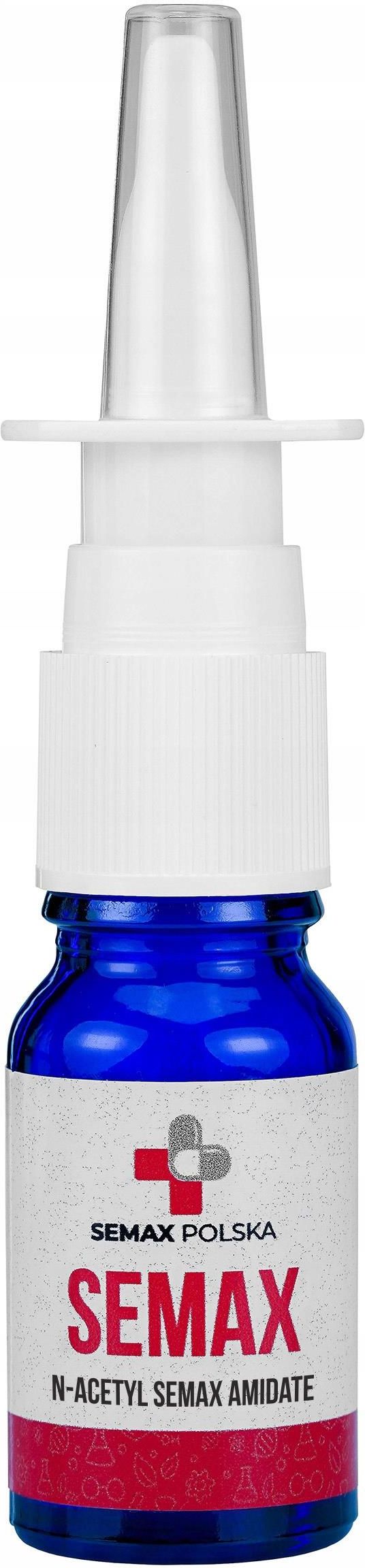
Frequently Asked Questions (FAQs)
1. What is Semax used for in research?
Semax is studied for its cognitive-enhancing and neuroprotective properties. Primary research areas include stroke, cognitive decline, neurodegenerative diseases, and anxiety.
2. What is the mechanism of action?
Semax works primarily by increasing the expression of neurotrophins like BDNF and NGF in the brain. It also binds to specific sites in the brain and modulates serotonin and dopamine systems.
3. What are the side effects?
Common side effects of intranasal Semax can include nasal irritation, headaches, mild insomnia, and occasional nausea. These are generally mild and temporary.
4. Is Semax FDA-approved?
No. Semax is not FDA-approved. It has been registered in Russia for cerebrovascular use since 1994. In the US, it is available only as a research peptide.
5. Is Semax a supplement?
No. Semax is a potent research peptide. It is not a dietary supplement and should only be used in a laboratory research setting.
6. Can Semax help with stroke?
Research from Russia suggests it may support recovery in ischemic stroke patients, but these studies are limited and lack the rigorous controls required for Western regulatory approval.
7. How should Semax be stored?
Lyophilized Semax powder should be stored at -20°C, protected from moisture and light.
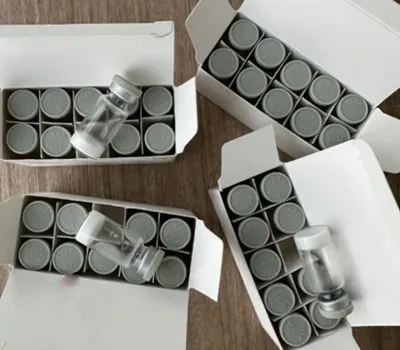
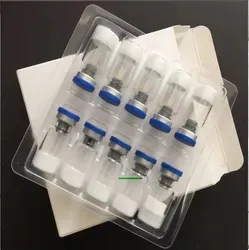
| Semax Peptide |
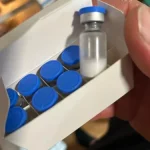
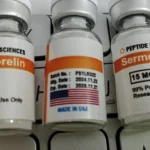
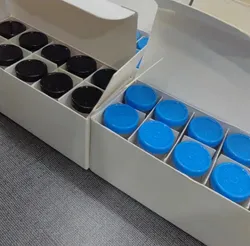
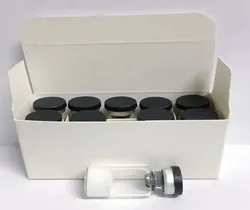
5mg*10vials ,10mg*10vials |
|---|






Reviews
There are no reviews yet.