

AOD9604 Peptide
$50.00 – $170.00Price range: $50.00 through $170.00
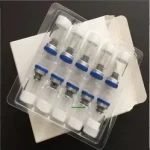
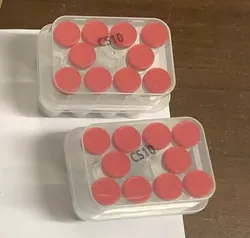
Looking for AOD9604 peptide for sale? Apeptide offers 99% pure research-grade AOD9604. The modified fragment of hGH for lipolysis and metabolic research. Direct manufacturer in China. USA shipping. Order at biopeptidepulse.com
You’re now subscribed to price tracking for this product. We’ll notify you if the price drops.

Fast Delivery
Quick, reliable shipping to any location.

Free & easy returns
Return this item by mail or in store within 90 days for a full refund.
AOD-9604 Peptide: A Comprehensive Guide to the Growth Hormone Fragment for Metabolic and Regenerative Research
AOD9604 Peptide: AOD-9604 is a synthetic peptide fragment derived from the C-terminal region of human growth hormone (hGH), specifically spanning amino acids 177-191 with an added N-terminal tyrosine for stability . Developed originally as an anti-obesity drug candidate, it was designed to isolate the fat-metabolizing effects of growth hormone while avoiding the systemic hormonal activity, insulin resistance, and IGF-1 elevation associated with full-length hGH therapy .
This guide provides a detailed examination of the science, research findings, regulatory status, and practical considerations surrounding this research compound.
Table of Contents
-
What is AOD-9604?
-
Mechanism of Action
-
Stimulation of Lipolysis
-
Inhibition of Lipogenesis
-
Distinct Pathway from hGH Receptor
-
-
Research History and Development
-
What the Research Shows
-
Preclinical Studies
-
Human Clinical Trials
-
Bone and Cartilage Research
-
-
The Phase 2b Trial and Development Halt
-
Regulatory Status and Legal Considerations
-
FDA 503A Bulks List Decision
-
WADA Prohibited Status
-
GRAS Designation
-
-
Safety Profile and Considerations
-
Observed Adverse Events
-
Immunogenicity Concerns
-
FDA Safety Assessment
-
-
Dosing Information
-
Frequently Asked Questions
-
Conclusion
What is AOD-9604?
AOD-9604 is a synthetic, modified peptide fragment consisting of 16 amino acids derived from the C-terminus of human growth hormone . Also known as Fragment 176-191, it was engineered with an additional tyrosine residue at the N-terminus to enhance stability and activity . The molecular formula is C78H123N23O23S2, and its PubChem CID is 10270282 .
The peptide originated from foundational work at Monash University in the early 1990s, where researcher Frank M. Ng and colleagues investigated whether the lipolytic (fat-burning) activity of full-length hGH could be separated from its insulin-antagonizing, diabetogenic effects . Australian biotechnology company Metabolic Pharmaceuticals subsequently developed and advanced AOD-9604 as an obesity drug candidate .
AOD-9604 is a research compound and has no FDA-approved indications for human use . It is classified as an FDA Category 2 bulk drug substance as of April 2026, meaning compounding is restricted pending further agency review .
Mechanism of Action
AOD-9604 is hypothesized to selectively target pathways involved in lipid metabolism without significantly impacting insulin, glucose, or IGF-1 levels . Unlike full-length hGH, which activates growth hormone receptors and triggers a cascade of anabolic and metabolic effects, AOD-9604 is believed to work through distinct cellular pathways .
Stimulation of Lipolysis
AOD-9604 promotes the breakdown of stored fat (lipolysis). Research suggests it activates beta-3 adrenergic receptors in adipose tissue, triggering the release of stored fatty acids for energy use . This process enhances fat oxidation, making it easier for the body to utilize fat as fuel .
Inhibition of Lipogenesis
In addition to promoting fat breakdown, AOD-9604 is hypothesized to inhibit lipogenesis — the process of converting non-fat food materials into body fat — by suppressing the action of lipogenic enzymes .
Distinct Pathway from hGH Receptor
Crucially, AOD-9604’s actions are believed to be mediated independently of the beta(3)-adrenergic receptor, despite that receptor being a known facilitator of lipolysis . Research in both obese mice and beta(3)-adrenergic receptor knock-out mice suggests the fragment’s lipolytic activity does not require the standard hGH receptor, supporting the hypothesis that its effects are mechanistically distinct from those of full-length growth hormone .
A structural analysis published in the Journal of Peptide Research confirmed the peptide’s lipolysis-stimulating and lipogenesis-inhibiting profile .
Research History and Development
AOD-9604’s development timeline reflects a journey from promising preclinical findings to clinical disappointment:
-
1993-1994: Foundational work by Ng and colleagues at Monash University demonstrated the hGH C-terminal sequence (residues 177-191) reproduced the antilipogenic activity of intact growth hormone in rat adipose tissue . An in-vivo study showed chronic administration reduced cumulative body weight gain and adipose tissue mass in obese mice .
-
2000-2001: Multiple papers characterized the peptide’s metabolic effects, demonstrating reduced weight gain in obese Zucker rats without adversely affecting insulin sensitivity . Research by Heffernan and colleagues showed chronic treatment increased fat oxidation and reduced weight gain in obese mice . A follow-on study in Endocrinology provided evidence the fragment’s lipolytic activity does not require the standard hGH receptor .
-
2002-2004: Metabolic Pharmaceuticals advanced AOD-9604 into clinical trials based on the preclinical weight-reduction data . Early Phase 2a trials showed promising results for fat burning .
-
2007: The pivotal Phase 2b obesity trial — a 24-week, placebo-controlled study in 536 patients — failed to meet its primary weight-loss endpoint versus placebo . Metabolic Pharmaceuticals terminated development of the drug for obesity .
-
Current Status: No further clinical development has been reported. The Australian Therapeutic Goods Administration (TGA) rejected an obesity indication . As of April 2026, AOD-9604 is classified as an FDA Category 2 bulk drug substance with compounding restricted .
What the Research Shows
Preclinical Studies
The preclinical evidence for AOD-9604’s lipid-metabolism effects is substantive by early drug development standards. Multiple rodent studies from independent investigators consistently showed:
-
Reduced fat mass and increased fat oxidation
-
Reduced body weight gain without signs of glucose intolerance
-
No changes in circulating plasma glucose in lean or obese ob/ob mice
-
No negative effect on insulin sensitivity
A 2001 paper in the International Journal of Obesity showed chronic treatment increased fat oxidation and reduced weight gain in obese mice . Chronic administration of AOD-9604 in obese Zucker rats reduced body-weight gain and adipocyte size without glucose intolerance .
Bone and Cartilage Research
The peptide’s properties extend to potential regenerative applications. Research has explored its relevance in:
Bone Science: A 2007 study at the University of Toronto investigated whether AOD-9604 could prevent bone loss and fragility in an ovariectomized rat model of osteoporosis . Results suggested that AOD-9604 prevented OVX-induced fragility and bone loss in cortical bone .
Cartilage and Joint Health: AOD-9604 is hypothesized to support collagen synthesis, extracellular matrix remodeling, and potentially aid in cartilage repair and joint recovery . However, these remain preliminary findings without robust human clinical evidence .
Muscular Tissue: AOD-9604 has been proposed as a tool for studying muscular tissue physiology and repair, potentially impacting pathways involved in muscle protein synthesis and degradation .
Human Clinical Trials
The Phase 2b Pivotal Trial: The central fact about AOD-9604’s clinical history is its Phase 2b obesity trial failure. The trial was adequately powered, placebo-controlled, and designed to detect weight loss over 24 weeks. It enrolled 536 patients with obesity and did not find a significant difference in weight loss compared with placebo . The primary publication from this pivotal trial was never submitted to a peer-reviewed journal — the failure is documented via the Misra review and company disclosures .
Earlier Phase 2a Trials: Prior to the Phase 2b failure, smaller trials showed more promising results. One study reported an average weight loss of 2.6 kg over 12 weeks, compared to 0.8 kg in the placebo group . A 2004 investigational-drug profile confirmed that Metabolic Pharmaceuticals had advanced AOD-9604 into clinical trials by 2002 .
Phase 1 and Early Safety Trials: Dose-finding studies using 10 mg, 30 mg, and 60 mg oral capsules administered over 7 days showed a bell-shaped dose-response profile for anti-obesity effect, with the maximum effect concentrated in the age 35+ and BMI 35+ subgroup (p < 0.05) . There were no clinically significant changes in vital signs, ECG, or clinical laboratory assessments .
The Phase 2b Trial and Development Halt
The failure of the Phase 2b trial represents a critical turning point in AOD-9604’s development:
| Aspect | Detail |
|---|---|
| Sponsor | Metabolic Pharmaceuticals Ltd., Australia |
| Population | 536 patients with obesity |
| Duration | 24 weeks |
| Outcome | No significant difference in weight loss vs. placebo (primary endpoint) |
| Regulatory Action | Australian TGA rejected obesity indication |
| Development Status | Terminated by company in 2007 |
The lipolytic mechanism observed in rodents did not translate to statistically significant weight loss in the one adequately powered human trial . This outcome underscores the well-documented challenge of translating preclinical findings in metabolic research to human therapeutics.
Regulatory Status and Legal Considerations
FDA 503A Bulks List Decision
On September 18, 2024, the FDA presented its evaluation of AOD-9604 for placement on the 503A Bulks List. The agency concluded that the balancing of criteria weighs against both AOD-9604 free base and AOD-9604 acetate being added to the list .
FDA’s Reasoning:
-
Not Physically and Chemically Well Characterized: AOD-9604 contains a disulfide bond between two cysteines that can lead to degradation and aggregate formation. Certain critical characterization data, such as potential peptide impurities, aggregates, and microbial tests, were not found in the public domain or provided CoAs .
-
Lack of Evidence of Effectiveness: Clinical practice guidelines do not mention AOD-9604 for obesity treatment. Available information is limited to short summaries of clinical studies that often failed to show benefit vs. placebo .
-
Insufficient Safety Information: Limited clinical safety information exists. The FDA did not find pharmacokinetic/bioavailability information for any route of administration .
-
Immunogenicity Risk: Peptide sequences of 16 amino acids have the potential to be immunogenic, particularly via subcutaneous injection .
-
Approved Alternatives: Multiple FDA-approved drug products exist for weight reduction in patients with obesity .
WADA Prohibited Status
AOD-9604 is banned in professional sports by the World Anti-Doping Agency (WADA) . Its potential performance-enhancing properties, despite the lack of proven efficacy in humans, place it under WADA restrictions.
GRAS Designation
Interestingly, AOD-9604 received GRAS (Generally Recognized As Safe) status from the FDA for use as a dietary supplement ingredient . This designation speaks to safety profile but says nothing about therapeutic efficacy . It is important to note that GRAS status applies to dietary supplements, not prescription drug products.
Current Availability
-
Compounding Pharmacies: Largely unavailable due to FDA Category 2 classification
-
Gray-Market: Injectable products continue to circulate but are unregulated
-
Wellness Clinics: Some clinics market AOD-9604; however, these formulations are being marketed despite the lack of FDA approval and limited safety data
Safety Profile and Considerations
Clinical Safety Data
AOD-9604 has been evaluated in multiple clinical trials involving human subjects. The available data suggest a relatively favorable safety profile:
-
No clinically significant changes observed in vital sign measurements, electrocardiogram (ECG), physical examination, or clinical laboratory assessments
-
No statistically significant differences in IGF-1 levels among treatment and placebo groups
-
Anti-AOD-9604 antibodies were not detected in selected patients who received oral doses for up to 24 weeks
-
No evidence of negative effects on glucose metabolism or insulin sensitivity in clinical studies
One study summary noted that the safety profile of AOD-9604 was indistinguishable from placebo and had none of the adverse effects associated with growth hormone use .
Adverse Events Observed
Serious adverse events reported in subjects receiving AOD-9604 include:
| Adverse Event | Route | Details |
|---|---|---|
| Diarrhea | Oral | Possibly related to substance |
| Chest tightening | IV | Severe intensity, possibly related |
| Euphoria | IV | Mild to moderate intensity |
| Various cancers | Oral | Authors deemed not related to substance |
| Basal cell carcinoma | Oral | Not related per authors |
Note: The FDA notes there was insufficient information provided in these reports to assess the relatedness of serious AEs to AOD-9604, particularly the various types of cancers .
FDA Safety Concerns
The FDA identified several areas of concern:
Immunogenicity Risk:
-
AOD-9604 is a 16-amino-acid peptide, and sequences of this length have the potential to be immunogenic
-
The presence of a disulfide bridge can lead to degradation and aggregate formation
-
Injectable routes of administration may present a particular risk for immunogenicity
Insufficient Long-Term Data:
-
Obesity is a chronic condition that may require long-term repeated treatment
-
There is insufficient information to support patient safety for long-term use
No SC or Transdermal Data:
-
FDA did not find information on the proposed subcutaneous and transdermal use in humans
Nonclinical Safety Signals:
-
Signals suggestive of negative effects on bone health were apparent in rats treated orally for 13 weeks
-
Signals indicating potential liver toxicity were observed in Cynomolgus monkeys treated orally for 9 months
-
Equivocal mutagenic signals were induced in in-vitro and in-vivo genotoxicity assays
Dosing Information
Clinical Trial Dosing
| Study | Dosage | Route | Duration | Key Outcome |
|---|---|---|---|---|
| Phase 1/2 Dose-Finding | 10, 30, 60 mg/day | Oral capsules | 7 days | Bell-shaped dose response; max effect at 10 mg in BMI 35+ subgroup |
| Phase 2a | 1 mg/day | Not specified | 12 weeks | 2.6 kg weight loss vs. 0.8 kg placebo |
| Phase 2b Pivotal | Not specified | Oral | 24 weeks | Failed to meet primary endpoint vs. placebo |
Anecdotal Dosing
No validated dosing protocols exist for human use. Anecdotal sources typically mention:
-
Oral capsules ranging from 1-60 mg daily
-
Subcutaneous injections of varying doses (no validated data)
-
Use as an adjunct to diet and exercise
Important: These doses are from clinical trials, not established therapeutic protocols. AOD-9604 has no FDA-approved indication, and clinical development was terminated.
Frequently Asked Questions
What is AOD-9604 and how does it work?
AOD-9604 is a synthetic 16-amino-acid peptide derived from the C-terminal fragment of human growth hormone (residues 177-191). It is hypothesized to stimulate lipolysis (fat breakdown) and inhibit lipogenesis (fat formation) through pathways that appear to be independent of the hGH receptor . Unlike full-length growth hormone, it is believed to not significantly impact IGF-1, insulin, or blood sugar levels .
Is AOD-9604 FDA-approved?
No, AOD-9604 is not FDA-approved for any indication . As of April 2026, it is classified as an FDA Category 2 bulk drug substance, meaning compounding is restricted pending further review .
What did the human clinical trials show?
The central clinical finding is that AOD-9604 failed its pivotal Phase 2b obesity trial. A 24-week study in 536 patients found no significant difference in weight loss compared with placebo . Development for obesity was terminated in 2007 . Earlier smaller trials had shown more promising results .
Why did AOD-9604 fail to advance?
The Phase 2b obesity trial failed to meet its primary weight-loss endpoint. Consequently, Metabolic Pharmaceuticals terminated development, and the Australian TGA rejected an obesity indication . The translation from preclinical efficacy in rodents to human clinical efficacy was unsuccessful .
Is AOD-9604 safe?
Clinical trial data suggest a relatively favorable short-term safety profile, with adverse effects generally indistinguishable from placebo . However, the FDA identified several concerns including potential immunogenicity risk, insufficient long-term safety data, lack of data for subcutaneous administration, and nonclinical safety signals suggesting potential effects on bone and liver .
Are there concerns about immunogenicity?
Yes. AOD-9604 is a 16-amino-acid peptide, and sequences of this length can potentially be immunogenic, particularly when administered via subcutaneous injection . While no anti-AOD-9604 antibodies were detected in the patients who were tested, the FDA notes this risk has not been fully assessed, especially for injectable routes .
Can I buy AOD-9604 for personal use?
AOD-9604 is not legally marketed for human therapeutic use. It is largely unavailable through compounding pharmacies due to its FDA Category 2 classification . Gray-market injectable products continue to circulate but are unregulated . It is available for research purposes only .
Is AOD-9604 banned in sports?
Yes. AOD-9604 is banned by the World Anti-Doping Agency (WADA) for athletic use .
Does AOD-9604 affect IGF-1 levels?
Clinical studies have shown no statistically significant differences in IGF-1 levels among treatment and placebo groups . This is consistent with its hypothesized mechanism of action, which is independent of hGH receptor signaling .
What does FDA Category 2 mean for AOD-9604?
FDA Category 2 bulk drug substances are those for which the agency has determined the balancing of criteria weighs against addition to the 503A Bulks List . This means compounding of AOD-9604 is restricted pending further FDA review . The FDA concluded there is a lack of evidence for effectiveness, insufficient safety information, and concerns about physical and chemical characterization and immunogenicity .
Conclusion
AOD-9604 represents an intriguing case study in peptide drug development: a compound that showed promising preclinical activity in lipid metabolism and fat reduction, but failed to translate those findings to human clinical efficacy . Its development was terminated in 2007 following a failed Phase 2b obesity trial .
The peptide continues to be of research interest for its hypothesized mechanisms in fat metabolism, bone health, and cartilage repair . However, its regulatory status is firmly restricted: it is not FDA-approved, is classified as an FDA Category 2 bulk drug substance, and is banned by WADA . The FDA has concluded that the evidence does not support its placement on the 503A Bulks List for compounding .
For researchers, AOD-9604 remains a tool for studying adipose tissue biology, metabolic regulation, and potentially bone and cartilage mechanisms . For clinicians and patients, the evidence does not support its use as a therapeutic agent, and FDA-approved alternatives exist for weight management .
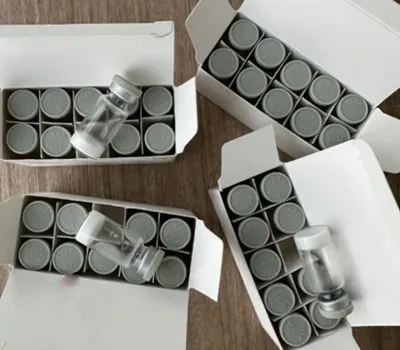
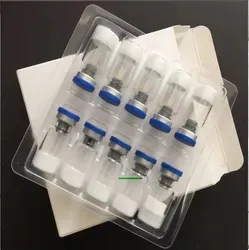
| AOD9604 |
2mg*10vials ,5mg*10vials ,10mg*10vials |
|---|






Reviews
There are no reviews yet.