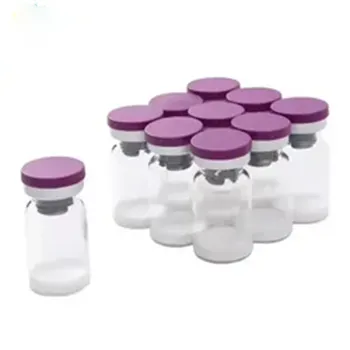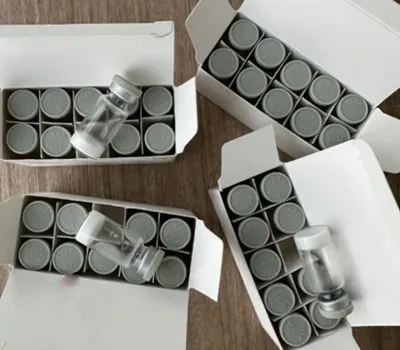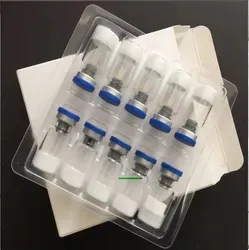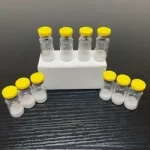
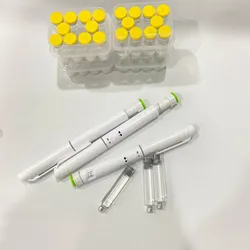
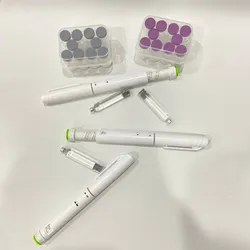
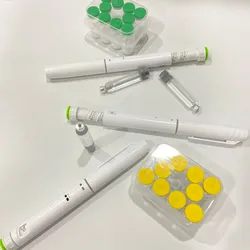
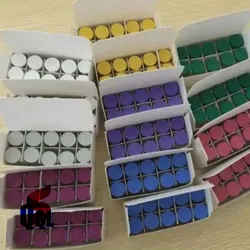
LL37 5mg
$90.00
LL37 5mg: Looking for LL37 peptide for sale? Apeptide offers 99% pure research-grade LL-37 (5mg).
You’re now subscribed to price tracking for this product. We’ll notify you if the price drops.
Fast Delivery
Quick, reliable shipping to any location.
Free & easy returns
Return this item by mail or in store within 90 days for a full refund.

LL-37 5 mg – Product Description
The Human Body’s Master Antimicrobial Peptide for Immune Defense and Tissue Repair
LL37 5mg: LL-37 is the only known cathelicidin-derived antimicrobial peptide found in humans—a naturally occurring 37-amino-acid peptide that serves as a critical first-line defense component of the innate immune system . Often described as the “Swiss Army knife” of immune peptides, LL-37 demonstrates a remarkable dual-action mechanism: it directly neutralizes pathogens while simultaneously modulating immune responses and promoting tissue healing .
Table of Contents
-
What is LL-37?
-
Mechanism of Action
-
Key Benefits
-
Clinical Evidence
-
Suggested Use & Dosing
-
Safety & Side Effects
-
Frequently Asked Questions
-
References
What is LL-37?
LL-37 is a 37-residue amphipathic helical peptide derived from the precursor protein hCAP18 (human cationic antimicrobial protein 18 kDa), which is secreted by white blood cells (neutrophils, macrophages) and epithelial cells lining the skin, gut, and respiratory tract .
The name “LL-37” derives from its structure—it begins with two leucine (L) residues and consists of 37 amino acids .
Mechanism of Action
LL-37 functions through multiple complementary pathways:
| Mechanism | What It Does | Why It Matters |
|---|---|---|
| Membrane Disruption | Directly kills bacteria and fungi by binding to negatively charged bacterial membranes and disrupting cellular integrity | Broad-spectrum defense without promoting antibiotic resistance |
| Biofilm Disruption | Prevents bacterial biofilm formation and breaks apart existing biofilms | Addresses chronic, hard-to-treat infections |
| Immune Cell Recruitment | Activates chemotaxis to recruit neutrophils and monocytes to infection sites | Amplifies local immune response |
| Endotoxin Neutralization | Binds and inactivates bacterial LPS (lipopolysaccharide) and LTA (lipoteichoic acid)Â | Reduces excessive inflammatory damage |
| Wound Healing | Stimulates angiogenesis and promotes epithelial cell migration | Accelerates tissue repair |
Key Benefits
Antimicrobial Defense
LL-37 exhibits broad-spectrum activity against Gram-negative and Gram-positive bacteria, fungi, and enveloped viruses including MRSA (methicillin-resistant Staphylococcus aureus), Pseudomonas aeruginosa, and Candida species . Importantly, bacteria have difficulty developing resistance because LL-37 attacks membrane structure rather than specific metabolic pathways .
Wound Healing & Tissue Repair
Clinical trials have demonstrated that topical LL-37 treatment significantly improves healing rates of hard-to-heal venous leg ulcers. The peptide promotes new blood vessel formation (angiogenesis), accelerates epithelial cell migration, and supports keratinocyte differentiation . In a randomized controlled trial, the 0.5 mg/mL dose group showed a sixfold higher healing rate compared to placebo .
Immune System Modulation
LL-37 acts as an immunomodulator by regulating inflammatory cytokine production and enhancing the body’s natural defense mechanisms against pathogens . It exhibits both anti-inflammatory (LPS neutralization) and pro-inflammatory (immune cell recruitment) properties depending on the local environment and concentration .
Anti-Biofilm Properties
LL-37 can dissolve bacterial biofilms at concentrations 100-fold lower than those needed to kill the bacteria themselves . This property is particularly valuable for chronic sinusitis, implant-associated infections, and other conditions where bacteria hide behind protective shields.
Clinical Evidence
| Area | Evidence Quality | Key Finding |
|---|---|---|
| Venous Leg Ulcers | Human RCT | 0.5 mg/mL dose showed sixfold higher healing rate than placebo |
| Antibacterial Activity | Extensive in vitro + in vivo | Effective against MRSA, Pseudomonas, Candida |
| Sepsis Prevention | Animal study | Lower doses decreased mortality in neonatal rats |
| Female Reproductive Tract Safety | Animal study | Multiple administrations showed no tissue damage or fertility loss |
Suggested Use & Dosing
LL-37 is a research peptide typically administered via subcutaneous injection or topical application. Oral administration is not viable as the peptide is degraded by gastrointestinal proteases .
General Dosing Guidelines
| Use Case | Dose | Frequency | Duration |
|---|---|---|---|
| General immune support | 50-100 mcg | Daily | 4-6 weeks |
| Active infection support | 100 mcg | Daily | 2-4 weeks |
| Wound healing (topical) | 0.5-1.6 mg/mL | 1-2× weekly | Until healed |
Important Considerations
-
Start at the lowest effective dose to assess tolerance
-
Reconstitute lyophilized LL-37 with bacteriostatic water according to supplier specifications
-
Store reconstituted peptide refrigerated (2-8°C) and use within 2-3 weeks
-
Rotate injection sites to prevent localized reactions
-
Optimize vitamin D status first—vitamin D directly regulates natural LL-37 productionÂ
Safety & Side Effects
LL-37 is generally well-tolerated at research and clinical doses, but caution is warranted .
Common Side Effects
-
Injection site reactions: redness, mild swelling, temporary discomfortÂ
-
Mild flu-like symptoms during initial days of use (likely from immune activation)Â
Serious Considerations
-
Pro-inflammatory potential: At high concentrations (1-10 µM), LL-37 can shift from anti-inflammatory to pro-inflammatory . Psoriatic lesions contain up to 300 µM LL-37Â
-
Angiogenesis concerns: While beneficial for wound healing, new blood vessel growth is a concern for individuals with existing tumorsÂ
-
Neuroinflammation: Research suggests LL-37 activates microglial cells and may promote neuroinflammatory pathways, so cognitive/noootropic claims are not supported by evidenceÂ
-
Dose-dependent effects: In a neonatal rat sepsis study, higher doses of LL-37 showed adverse effects while lower doses were protectiveÂ
Contraindications
-
Known allergy to LL-37 or peptide components
-
Active malignancy (due to angiogenesis promotion)
-
Severe autoimmune conditions (consult physician)
Frequently Asked Questions
1. What is LL-37 used for?
LL-37 is primarily used for antimicrobial defense, immune system modulation, and wound healing support. It is being studied for chronic infections, hard-to-heal wounds, gut barrier support, and biofilm-related conditions .
2. How is LL-37 different from antibiotics?
Unlike conventional antibiotics that target specific bacterial metabolic pathways, LL-37 works through a physical mechanism by disrupting bacterial cell membranes, making it difficult for pathogens to develop resistance . Additionally, LL-37 provides immune-modulating benefits and wound healing properties that antibiotics lack .
3. Can I take LL-37 orally?
No. LL-37 is destroyed by digestive enzymes in the gastrointestinal tract and has essentially zero oral bioavailability. If someone is selling “oral LL-37 capsules,” be skeptical—subcutaneous injection or topical application are the viable routes .
4. What is the recommended dosing protocol?
Dosing typically ranges from 50-100 mcg daily for immune support, with 4-6 week protocols for specific goals. Topical applications for wound healing use 0.5-1.6 mg/mL, applied twice weekly. Always start at the lowest dose to assess tolerance .
5. Does LL-37 improve cognitive function?
No. This is not supported by evidence. Research actually suggests LL-37 can activate microglia (brain immune cells) and promote neuroinflammatory pathways. In Alzheimer’s models, it has been shown to enhance amyloid-beta aggregation—caution is advised for neurological applications .::LL37 5mg
6. Is LL-37 safe?
LL-37 is generally well-tolerated at research and clinical doses . However, high doses can cause pro-inflammatory effects, and chronic use carries theoretical risks due to its angiogenesis-promoting properties. Medical supervision is strongly recommended .
7. How long does it take to see results?
For wound healing applications, improvements may appear within 7-14 days, with continued healing progression over weeks. Infection-related symptoms often improve within 2-3 weeks. Full therapeutic benefits typically develop over the full 4-8 week protocol .
8. Can I combine LL-37 with other therapies?
LL-37 can often be safely combined with conventional antibiotics, wound care protocols, and immune support supplements when properly coordinated. However, disclose all current medications and supplements to your healthcare provider to ensure safe integration .
9. Is LL-37 FDA-approved?
No. LL-37 is a research peptide and is not FDA-approved for human therapeutic use. It is provided for research purposes under physician supervision .
10. Can LL-37 help with gut barrier issues?
LL-37 is expressed in gastrointestinal epithelial cells where it supports gut barrier integrity and defends against pathogenic bacteria. While relevant for gut health context, supporting your body’s own LL-37 production (through adequate vitamin D, zinc, and butyrate) may be more practical than injecting synthetic LL-37Â .
References
-
TargetMol. LL-37, Human TFA—Bioactivity DataÂ
-
Lee SG, et al. Safety of multiple administrations of spermicidal LL-37 antimicrobial peptide into the mouse female reproductive tract. 2023Â
-
ScienceDirect. LL-37, the master antimicrobial peptide—Review. 2024Â
-
Beverly Hills Rejuvenation Center. LL-37 Peptide InformationÂ
-
Grönberg A, et al. Treatment with LL-37 is safe and effective in enhancing healing of hard-to-heal venous leg ulcers. Wound Repair Regen. 2014Â
-
Springer. Human antimicrobial/host defense peptide LL-37—Update. Inflammation Research. 2025Â
-
Holistic Nootropics. LL-37: Benefits, Dosing, Side Effects, And More! 2026Â
-
Fukumoto K, et al. Effect of antibacterial cathelicidin peptide CAP18/LL-37 on sepsis in neonatal rats. Ped Surgery Int. 2005Â

Reviews
There are no reviews yet.