
Blog
The Ultimate Guide to Research Peptides in 2026: Types, Applications & How to Choose the Right Compound

Introduction
Peptides have emerged from the lab to center stage in discussions about regenerative medicine, performance optimization, and longevity. These short chains of amino acids act as precise messengers in the body’s communication system, controlling molecular pathways related to metabolism, immune modulation, oxidative stress balance, and tissue regeneration . In 2026, the landscape is more dynamic than ever—offering exciting possibilities alongside significant regulatory and safety challenges.
This guide provides an evidence-informed overview of the most significant research peptides, their applications, and the critical factors to consider when navigating this evolving field.
The Science Behind Peptide Therapeutics
Peptides are short amino acid chains that function as signaling molecules in the body. Their therapeutic potential lies in their ability to mimic endogenous ligands and connect with a wide range of targets, especially G protein-coupled receptors (GPCRs), which help control many bodily functions . By acting on key pathways such as PI3K/Akt, mTOR, MAPK, TGF-β, and AMPK, peptides can influence tissue regeneration, inflammation resolution, and neuromuscular recovery .
The therapeutic era of peptides began in 1921 with the discovery of insulin—a breakthrough that revolutionized diabetes treatment . Since then, over 80 peptide drugs have been approved for clinical use. Notably, by mid-2024, over 110 peptide-based therapeutics had been approved worldwide, including high-profile GLP-1 receptor agonists such as semaglutide and tirzepatide . The global market for therapeutic peptides has seen substantial growth, with sales doubling over the past decade and a projected compound annual growth rate of 10% through 2032 .

Major Categories of Research Peptides
Wound Healing and Tissue Repair
These peptides are among the most actively studied in regenerative medicine. They promote angiogenesis, extracellular matrix remodeling, fibroblast activation, and collagen synthesis .
Key compounds in this category:
- BPC-157 (Body Protection Compound-157): A 15-amino-acid peptide originally derived from human gastric juice. Preclinical studies show regenerative potential across tendons, ligaments, muscle, and gastrointestinal lining. Mechanistically, it promotes fibroblast activity, modulates the nitric oxide system, and enhances angiogenesis through VEGF .
- TB-500: A synthetic fragment of thymosin beta-4 (Tβ4) that promotes actin polymerization, progenitor cell recruitment, and enhanced cellular migration—processes integral to wound healing .
- GHK-Cu: A naturally occurring copper-binding tripeptide that stimulates dermal fibroblast proliferation, regulates matrix metalloproteinases, and supports collagen turnover. Widely studied in dermatologic and aesthetic medicine, it is now being explored for orthopaedic applications .
Metabolic and Muscle Regeneration
Peptides targeting the growth hormone/IGF-1 axis are gaining attention for muscle repair, cartilage regeneration, and metabolic health.
Key compounds in this category:
- Growth Hormone Secretagogues (Ipamorelin, CJC-1295, Tesamorelin, Sermorelin): These peptides stimulate the pituitary gland to increase endogenous growth hormone secretion. Unlike exogenous GH, they preserve the negative feedback loop, thereby minimizing suppression of natural hormone production .
- AOD-9604: Promotes cartilage repair and lipolysis without IGF-1 stimulation, acting through AMPK activation and lipid metabolism pathways .
Neuroactive Peptides
These peptides target pathways critical to neuroplasticity and cognitive function, enhancing brain-derived neurotrophic factor (BDNF) and other neuroprotective mechanisms.
Key compounds in this category:
- Semax: An ACTH analog studied for cognitive enhancement and neuroprotection.
- Selank: An anxiolytic peptide with immune-modulating properties.
- Dihexa: A peptide that enhances HGF/c-Met pathways involved in neuroplasticity .
Pain Regulation Peptides
Peptides play a crucial role in both pain sensation and pain relief—a concept researchers describe as “fighting fire with fire” . Endogenous excitatory peptides (like substance P and calcitonin gene-related peptide) generate pain signals following tissue injury, while inhibitory peptides (including opioid peptides, oxytocin, and neuropeptide Y) naturally alleviate pain . Targeting these pathways offers a promising approach to pain management research.
Applications in 2026
Orthopaedics and Musculoskeletal Care
Therapeutic peptides show promise for tendon healing, cartilage repair, and muscle recovery. Their ability to modulate molecular signaling networks central to cellular medicine makes them valuable adjuncts to injury management . Research is exploring their potential in postoperative recovery, chronic soft-tissue healing, and tendon-to-bone integration following rotator cuff repair and ACL reconstruction .
Recovery and Anti-Aging
Recovery-enhancing agents such as epithalon, delta sleep-inducing peptide, and pinealon target circadian and mitochondrial regulators, supporting cellular health and aging research .
The Regulatory Landscape: A Changing Picture
The Grey Zone Challenge
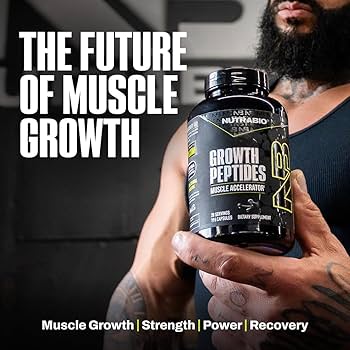
A significant concern in 2026 is that peptides are being marketed online for muscle growth, injury recovery, anti-aging, and cognitive enhancement, often beyond traditional drug regulation . Peptide-related content exceeds 130,000 posts on Instagram and has drawn more than 230 million views on TikTok . The authors of a recent JAMA manuscript describe this as a “grey zone” spanning medicine, wellness, and illicit drug markets, making regulation and monitoring difficult .
The FDA and State-Level Scrutiny
The Alabama Board of Medical Examiners issued a warning in 2026 that research-grade peptides are strictly prohibited for human administration, emphasizing that these substances lack FDA safety review and manufacturing consistency . However, a shift may be coming: an FDA advisory panel is scheduled to meet in late July 2026 to evaluate whether 7 specific peptides—including BPC-157, KPV, TB-500, and MOTs-C—should be moved into the 503A Bulk Drug Substances List, potentially expanding legal access for compounding .
Compounding vs. Research Grade
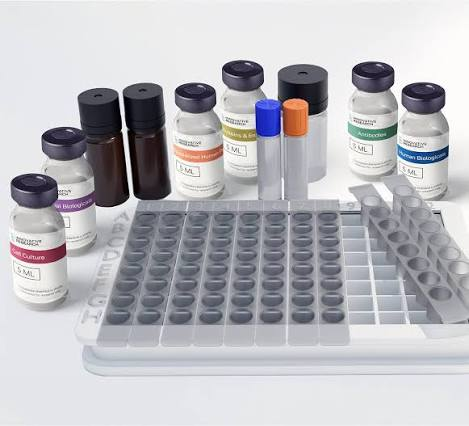
A critical distinction exists between compounded peptide medications (prepared in licensed pharmacies under USP standards) and research-grade peptides (intended solely for laboratory use). Research-grade products have not undergone FDA review and may contain unknown contaminants, including endotoxins that can cause serious adverse reactions .
Challenges in Peptide Research
Limited Human Data
While preclinical studies are promising, there is a current lack of rigorous clinical trials for many peptides . A comprehensive review identified hundreds of peptides in clinical and preclinical development, but many lack robust human safety and efficacy data .
Stability and Delivery
Peptides are inherently susceptible to enzymatic degradation, limiting oral bioavailability. Strategies like PEGylation, cyclization, lipidation, and advanced delivery systems have helped improve pharmacokinetic properties, but formulation remains a key challenge .
Immunogenicity
Many peptide therapies can trigger anti-drug antibodies (ADAs). While more than 90% of clinical cases with ADA presence show no meaningful impact on drug behavior, predicting immune response early in development remains difficult .
How to Choose the Right Compound
1. Define Your Research Objective
- Wound healing/tissue repair? BPC-157, TB-500, GHK-Cu
- Muscle recovery/metabolic support? Growth hormone secretagogues
- Neuroprotection/cognitive health? Semax, Selank, Dihexa
- Pain regulation research? Explore endogenous inhibitory peptides
2. Understand the Evidence Base
Therapeutic peptides are emerging as promising adjuncts, but there is a current lack of clinical trials . Prioritize compounds with established preclinical mechanisms and, where available, human data.
3. Source Responsibly
- Legitimate research peptides are intended solely for laboratory and in vitro experimentation.
- Clinical-grade peptides for human use must be obtained through licensed healthcare providers and compounding pharmacies.
- Avoid products marketed directly to consumers on social media or through unregulated “research chemical” vendors .
4. Consider the Regulatory Status
Check whether the peptide is under FDA review, listed for compounding, or entirely unregulated. The regulatory landscape is evolving rapidly; consult local regulations before sourcing or using any peptide compound.
Looking Ahead
The market for peptide therapeutics is projected to triple in size over the next five years . The growing body of research and regulatory attention suggests that peptides will continue to be a major area of therapeutic innovation—provided that safety, quality, and evidence standards keep pace with consumer and clinical interest.
Meanwhile, researchers are also discovering novel peptide classes with diverse applications. Recent work on “actinators”—bioactive peptides derived from human β-actin—has demonstrated the ability to enhance viral vector transduction 20- to 30-fold, opening new possibilities in gene and cell therapies .
Conclusion
Research peptides in 2026 represent a double-edged sword. They offer unprecedented promise for tissue repair, metabolic health, and recovery. Yet their rapid ascent into mainstream consumer spaces has outpaced the regulatory and evidentiary frameworks needed to ensure safety.
For researchers, practitioners, and informed consumers, the path forward lies in:
- Prioritizing compounds with mechanistic and clinical evidence
- Sourcing only from legitimate, quality-controlled channels
- Staying informed about the evolving regulatory environment
- Consulting qualified professionals before any clinical application
As the field continues to mature, the gap between peptide research and real-world application will narrow—guided by rigorous science, responsible regulation, and informed decision-making.